Continuous Waste Feed Systems
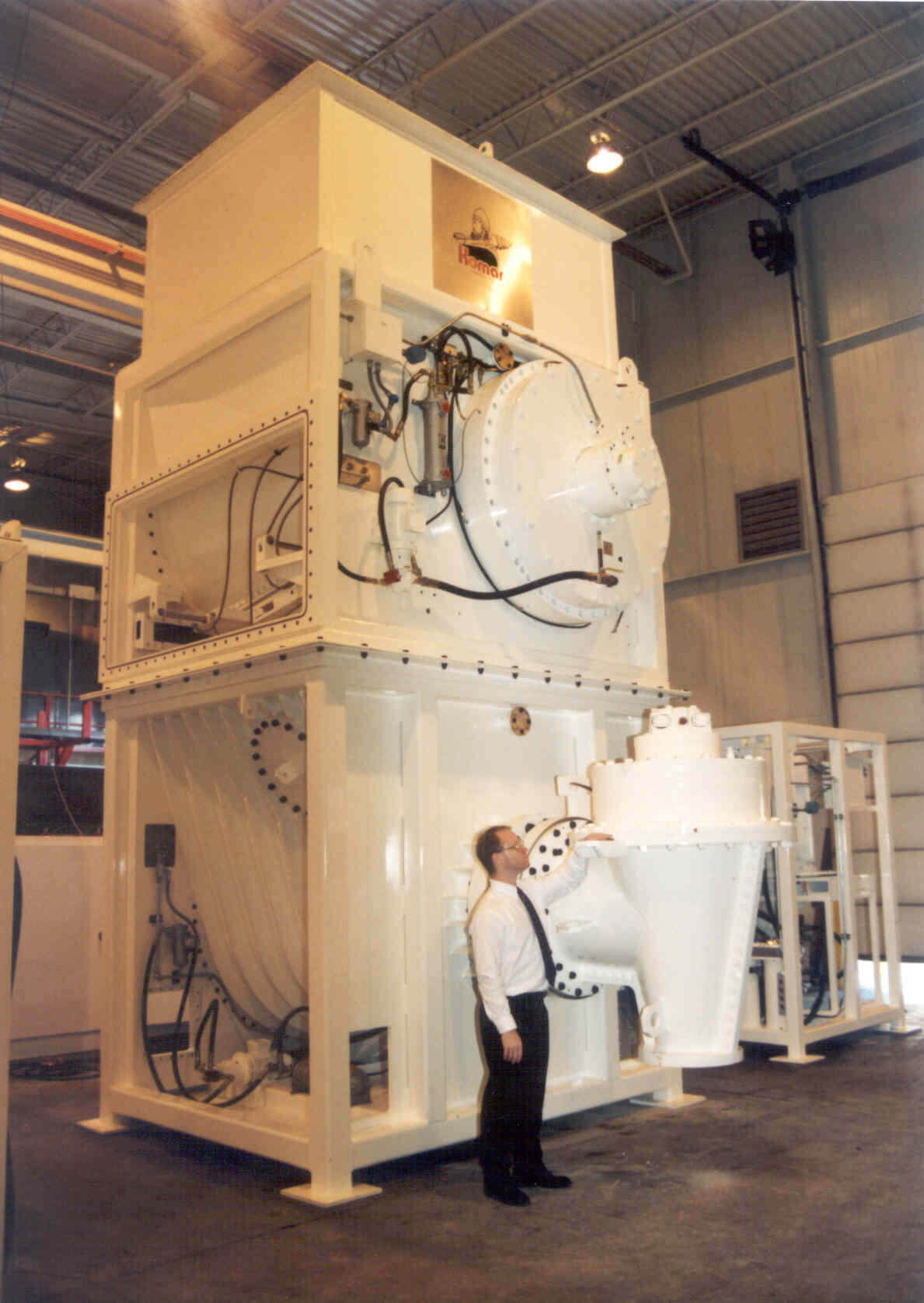
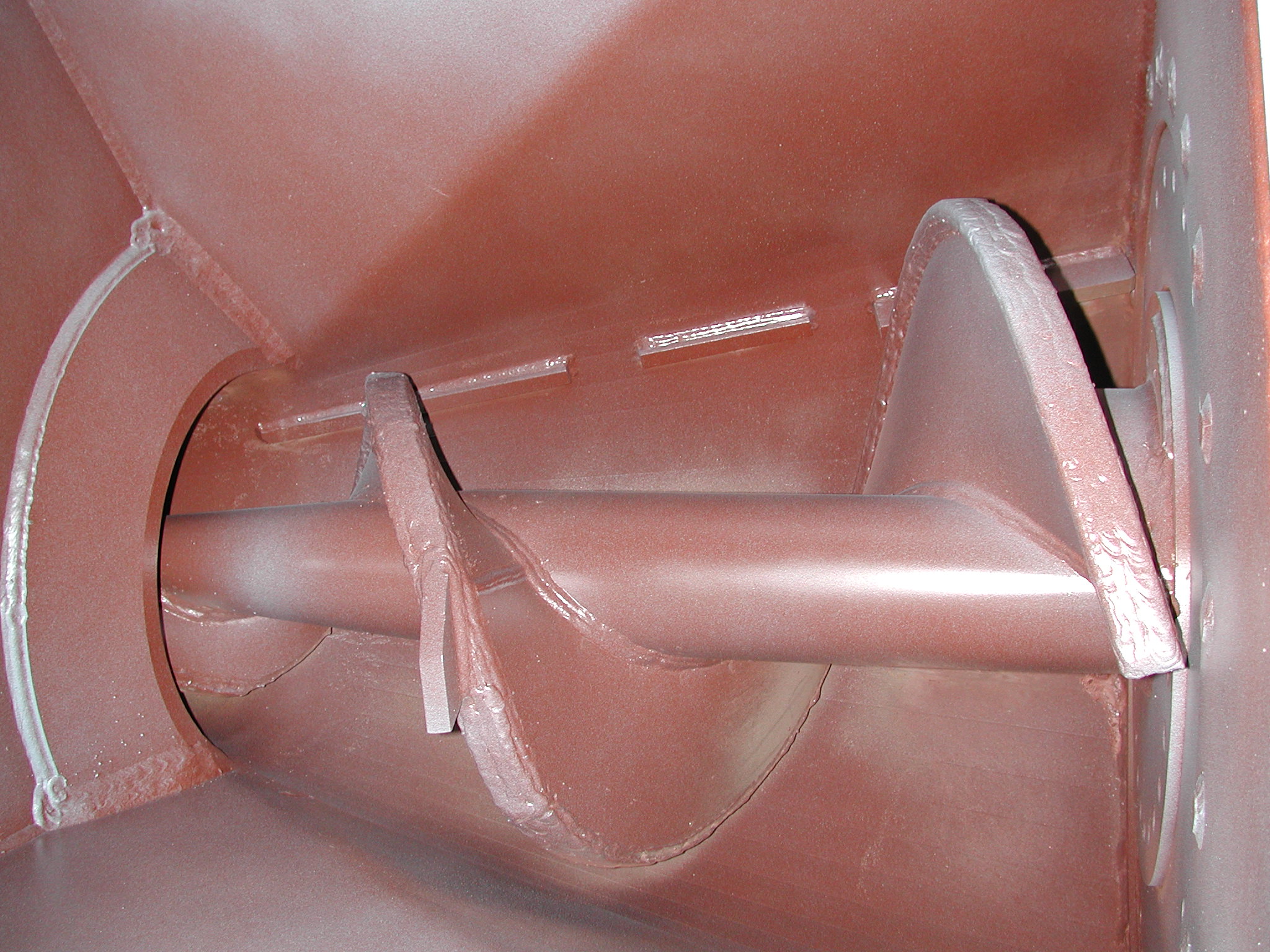
The Komar continuous waste feed systems offer the unique ability to provide a metered feed while eliminating air transfer thru the feeder. Developed for feeding incinerators, and proven for more than 30 years in difficult applications such as hazardous and radioactive waste, our feeders utilize extruded material to generate an air seal and provide unmatched feed control.
TYPES
-
Multistage Processing Systems
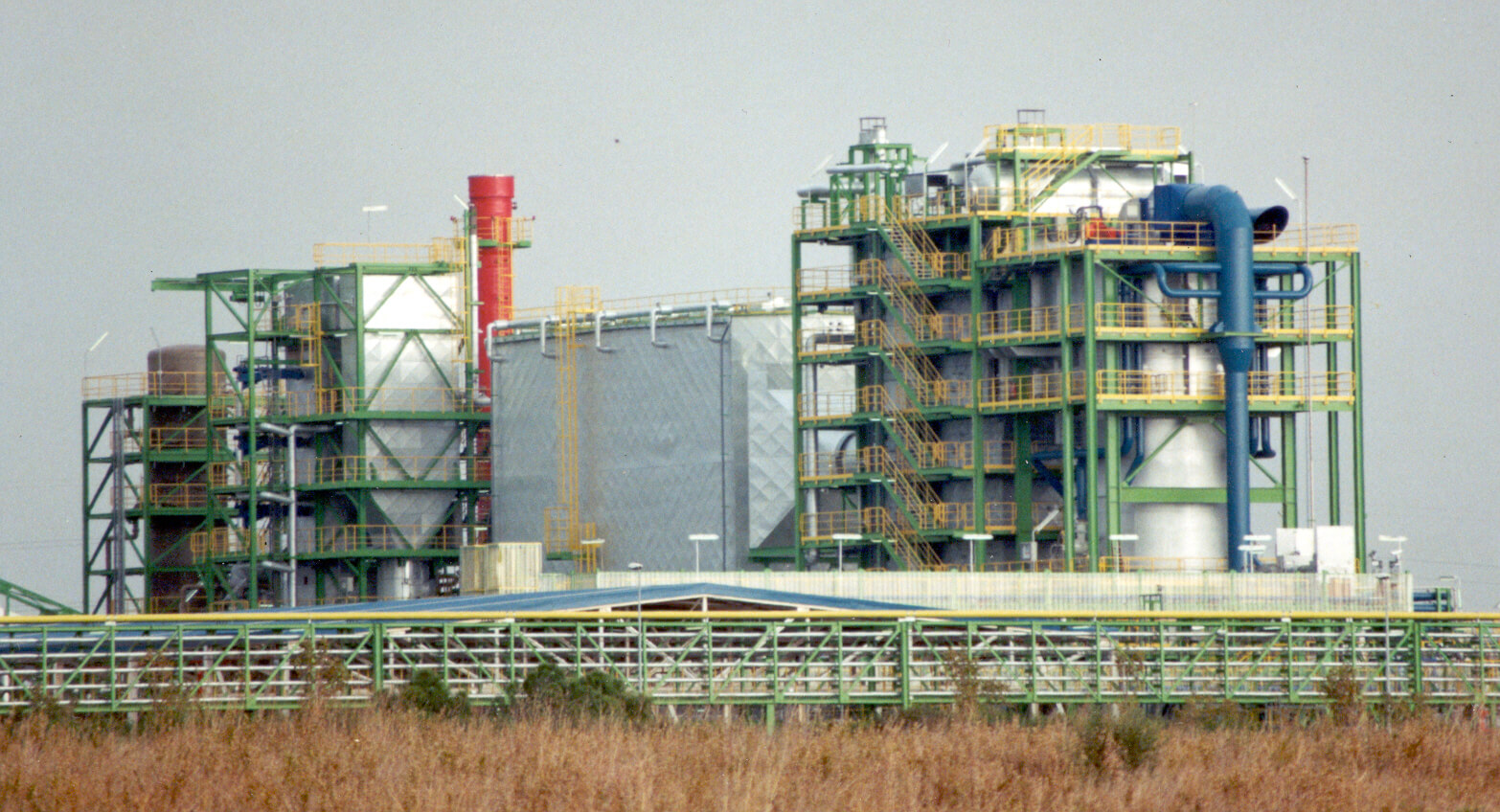
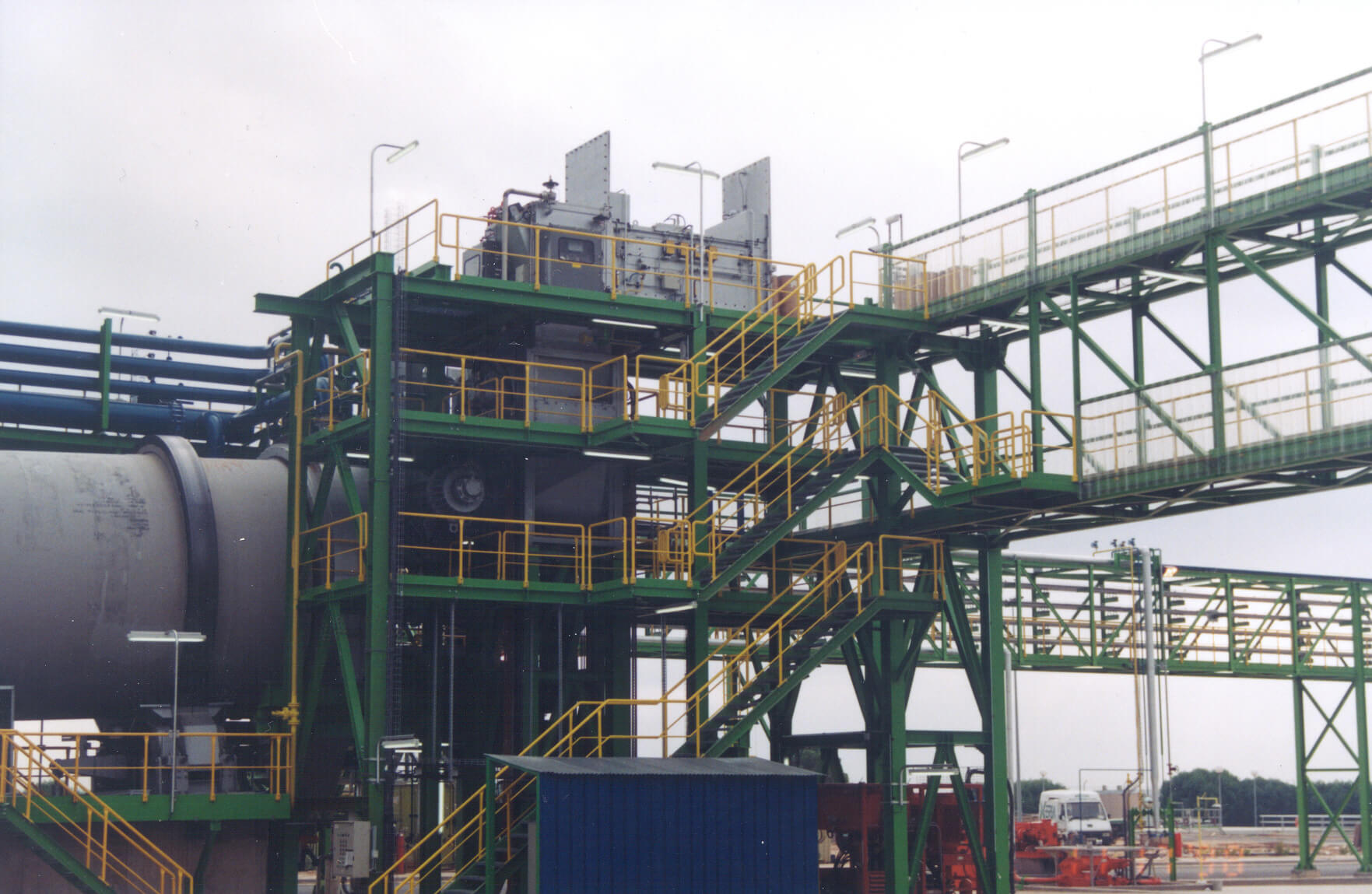
Shred-Feed, Palletized Hazardous Waste, and Baled MSW/RDF
-
Stand-Alone Feeders
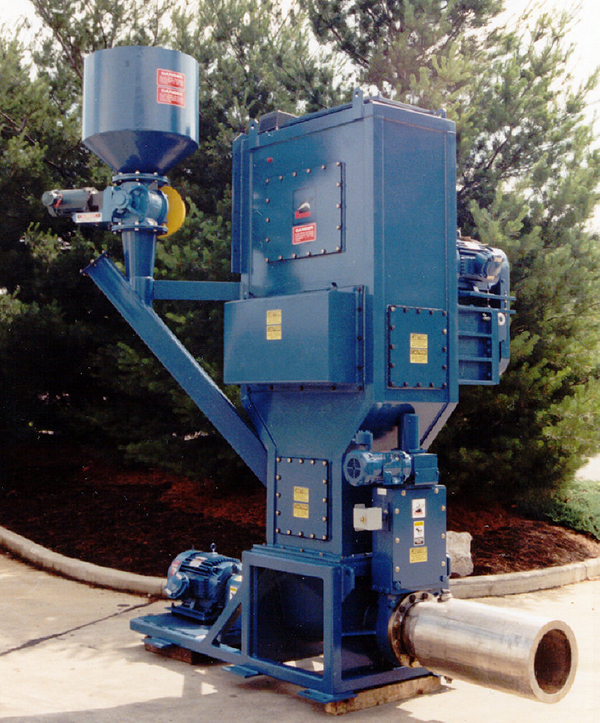
Electromechanical and Hydraulic base units
-
Auxiliary Equipment
Multi-Stage Processing Systems
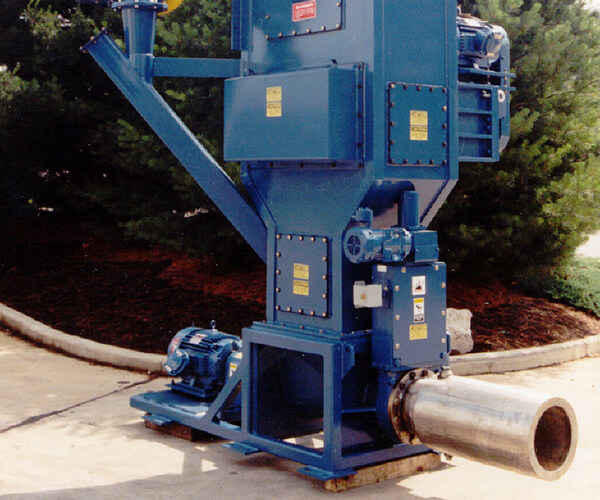
Shred-Feed
- Drive Type:
- Electromechanical and Hydraulic
- Application:
- Incineration and Gasification
- Volume:
- Medium-High (500-50,000 lbs/hr )


- Turn Down Ratio:
- 10:1
- Feed Stock:
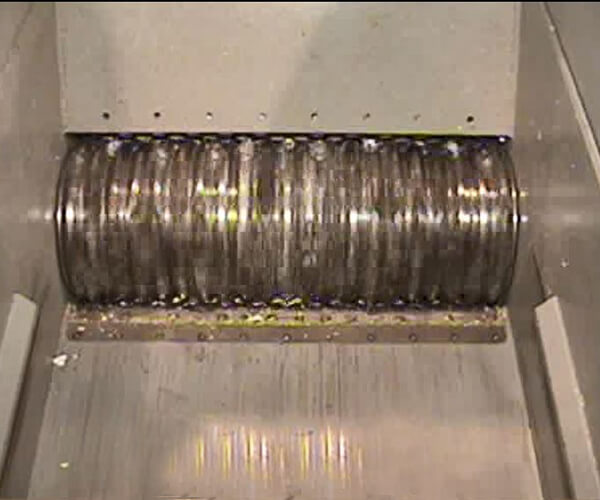
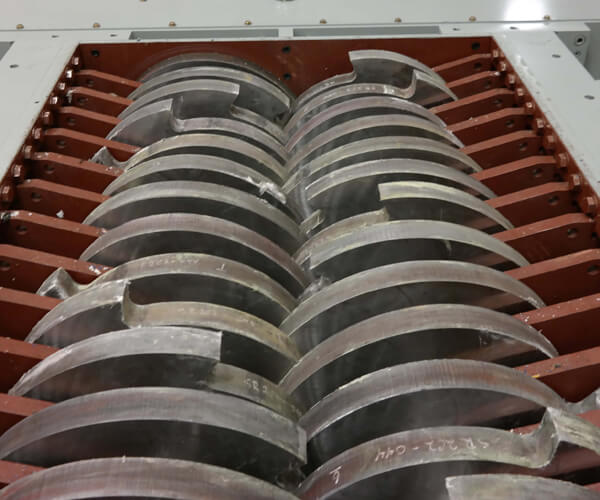
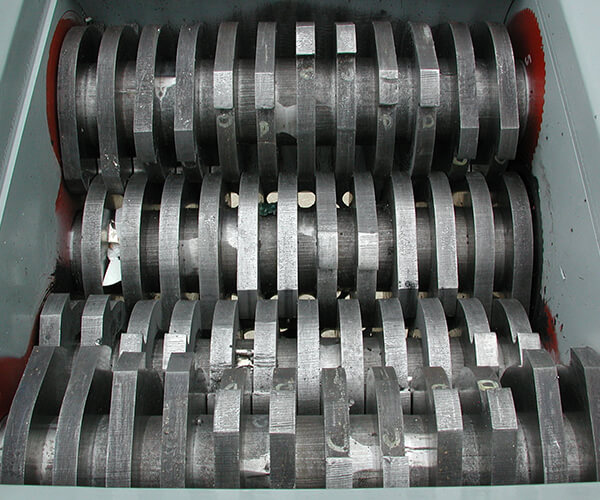
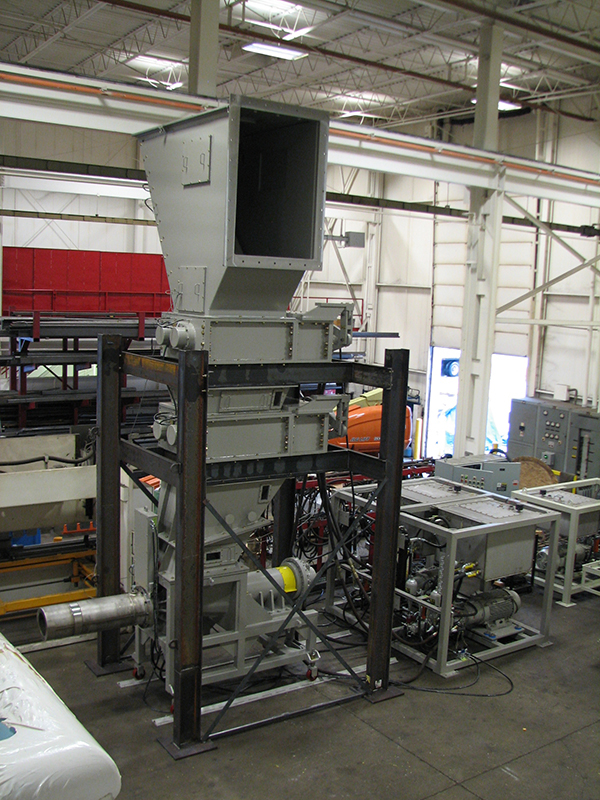
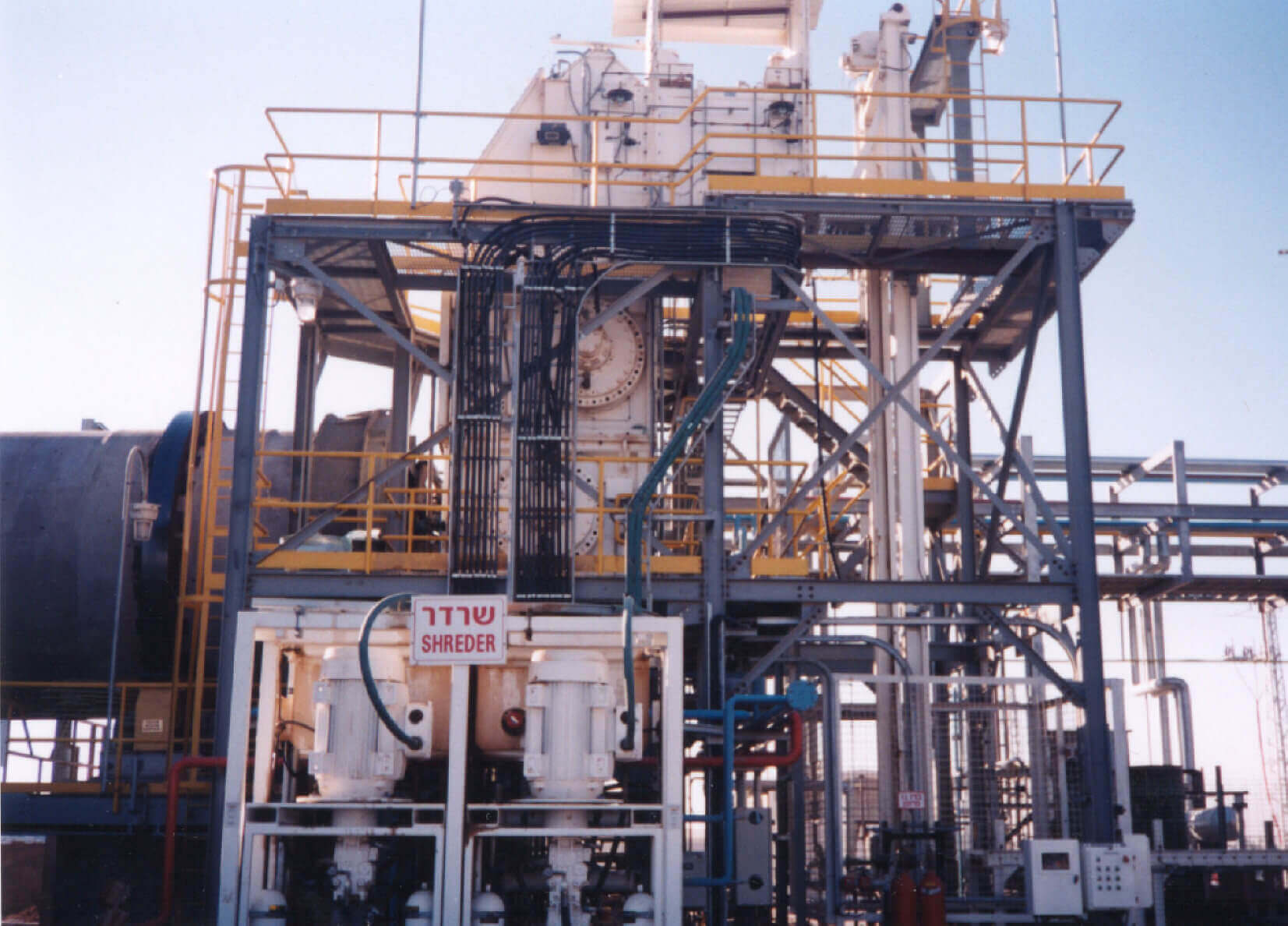
- A shredder is added to a hydraulic feeder when material is either too large to initially fit into the feeder’s processing chamber, or when a consistent piece size is needed for a more successful feed.
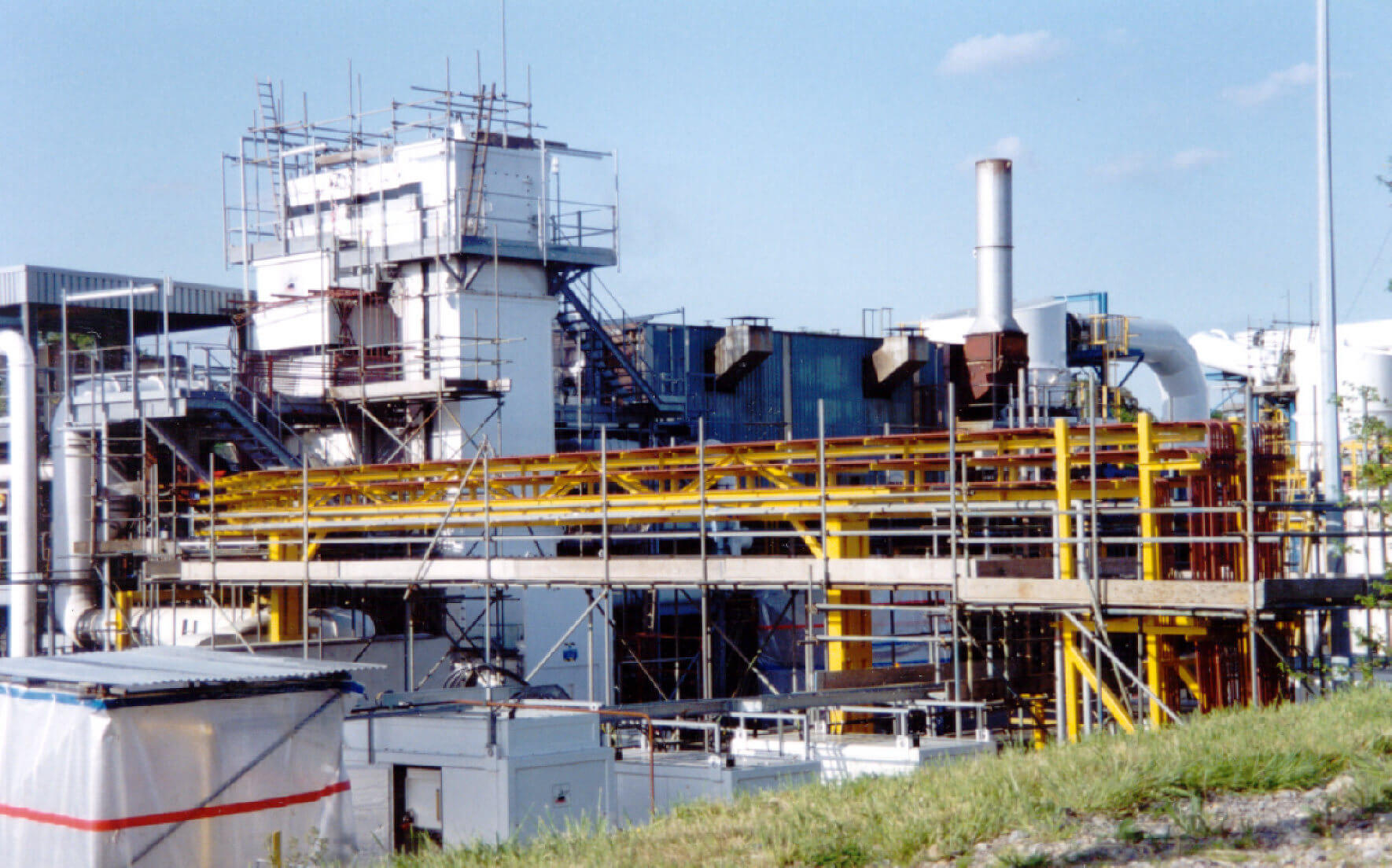
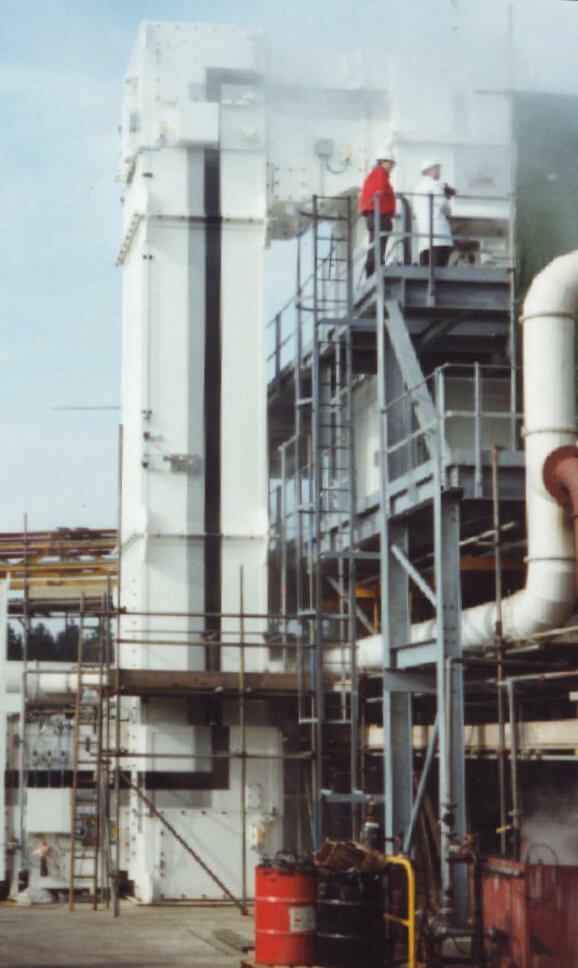
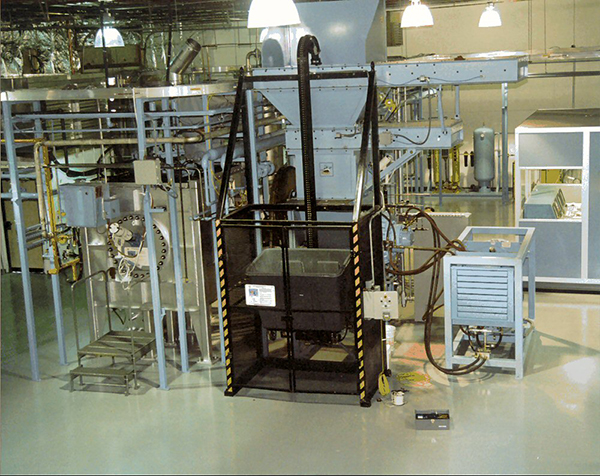
Palletized Hazardous Waste
- Drive Types:
- Hydrostatic
- Applications:
- Incineration and Gasification
- Volume:
- High (10,000-50,000 lbs/hr)

- Turn Down Ratio:
- 10:1
- Feed Stock:C
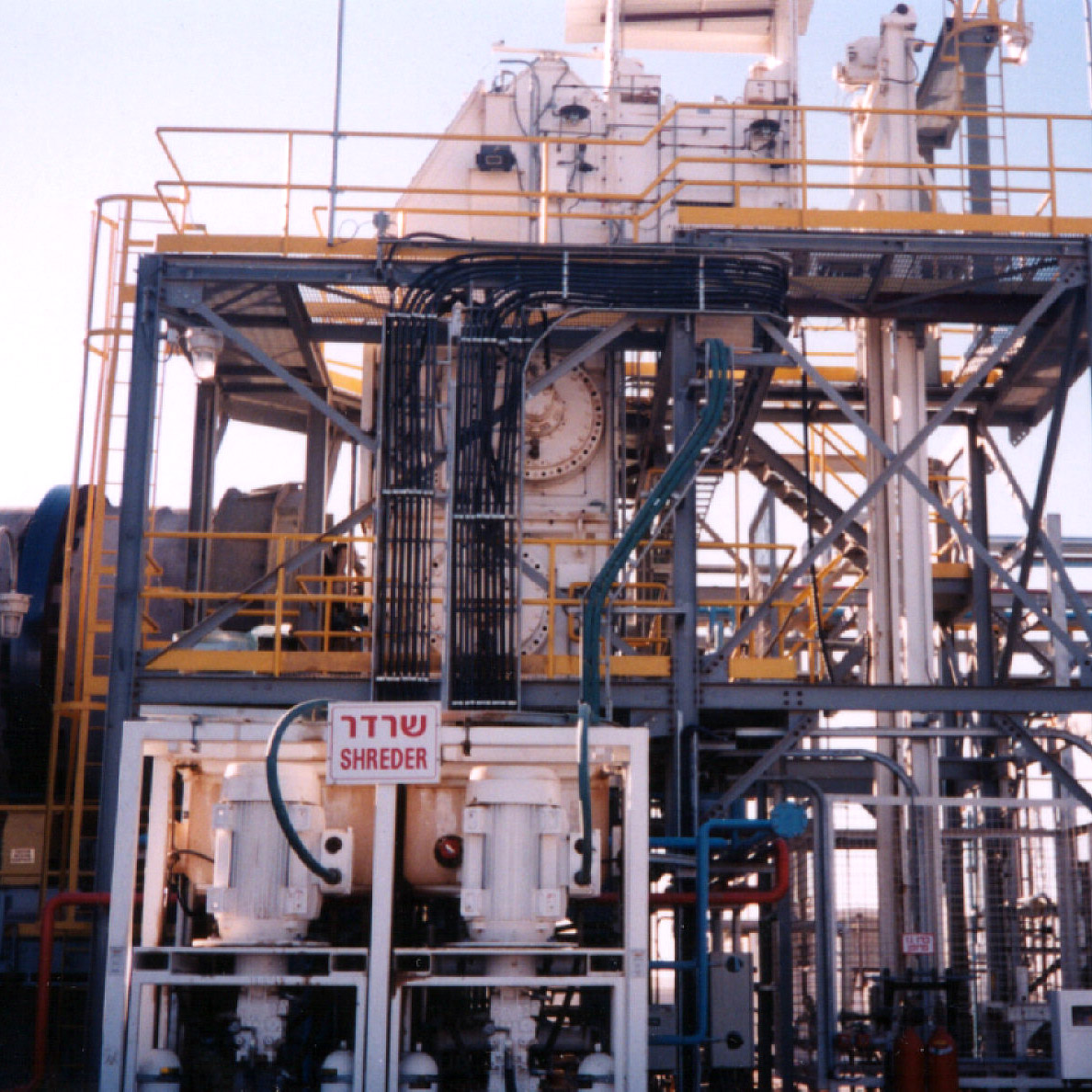
- Containerized hazardous solids, liquids, or resins that need to be thoroughly blended before feeding to obtain a higher level of consistency. Systems can handle up to four drums or one cubic yard per charge.
Baled MSW/RDF
- Drive Type:
- Hydraulic
- Application:
- Incineration and Gasification
- Volume:
- Medium-High (10,000-50,000 lbs/hr )
- Turn Down Ratio:
- 10:1
- Feed-Stock:
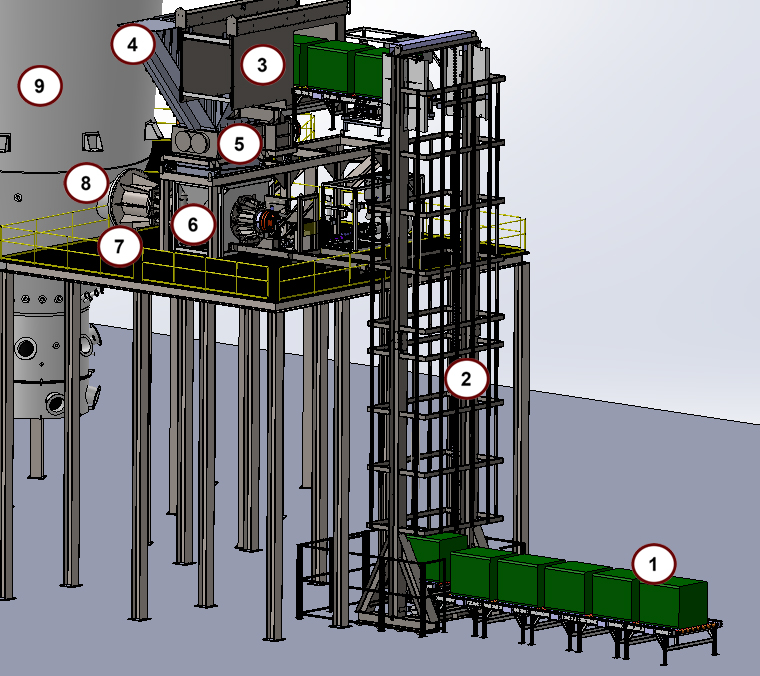
- Baled MSW / RDF
- System Components:
 In-Feed Conveyor Material Lift AirlockHopper w/Ram In-Feed Assist Shredder Feeder
 Water Cooled Extrusion Tube Rotary Isolation Gate
 Gasifier (Komar does not supply the gasifier)
 Material Lift
  Airlock
 Hopper w/Ram In-Feed Assist
  Shredder
  Feeder
 Rotary Isolation Gate
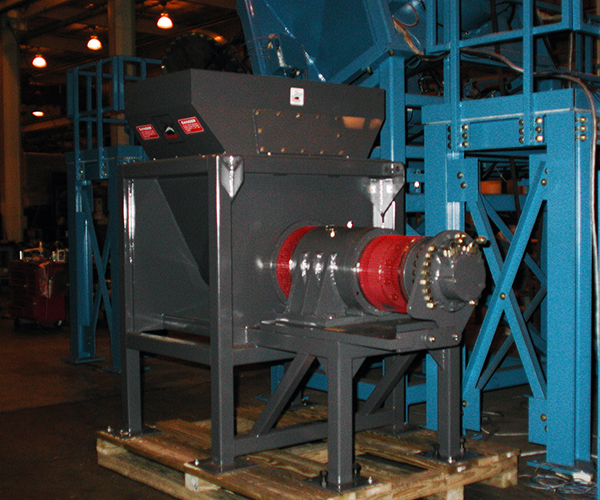
Stand-Alone Feeders
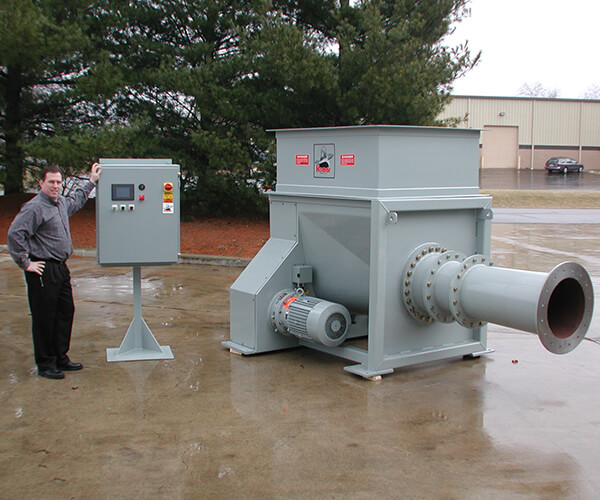
ELECTROMECHANICAL
- Drive Type:
- Electromechanical
- Application:
- Pilot Scale or Small Incineration and Gasification
- Volume:
- Low-Medium (200-1000 lbs/hr)

- Turn Down Ratio:
- 2:1 (or 50% of full displacement)
- Feed Stock:
- Consistent and Compressable
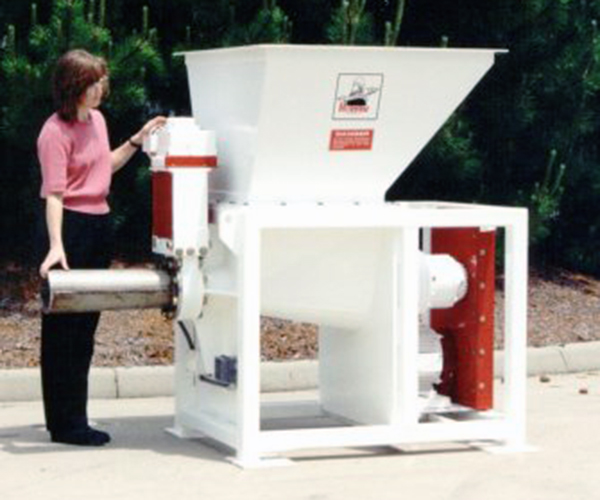
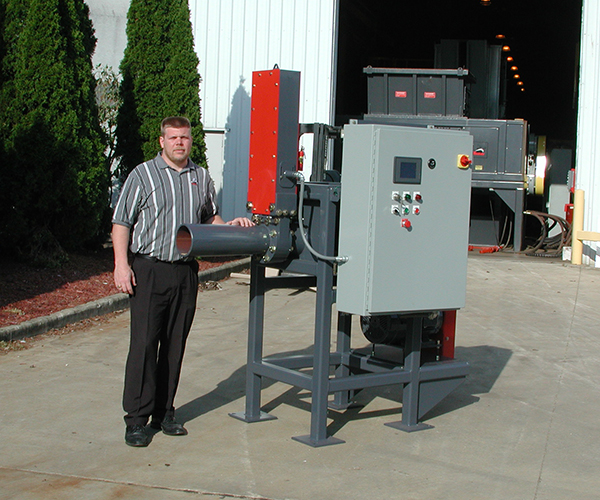
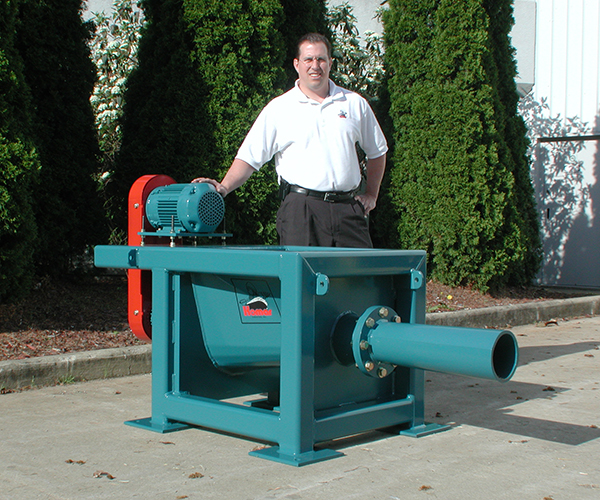
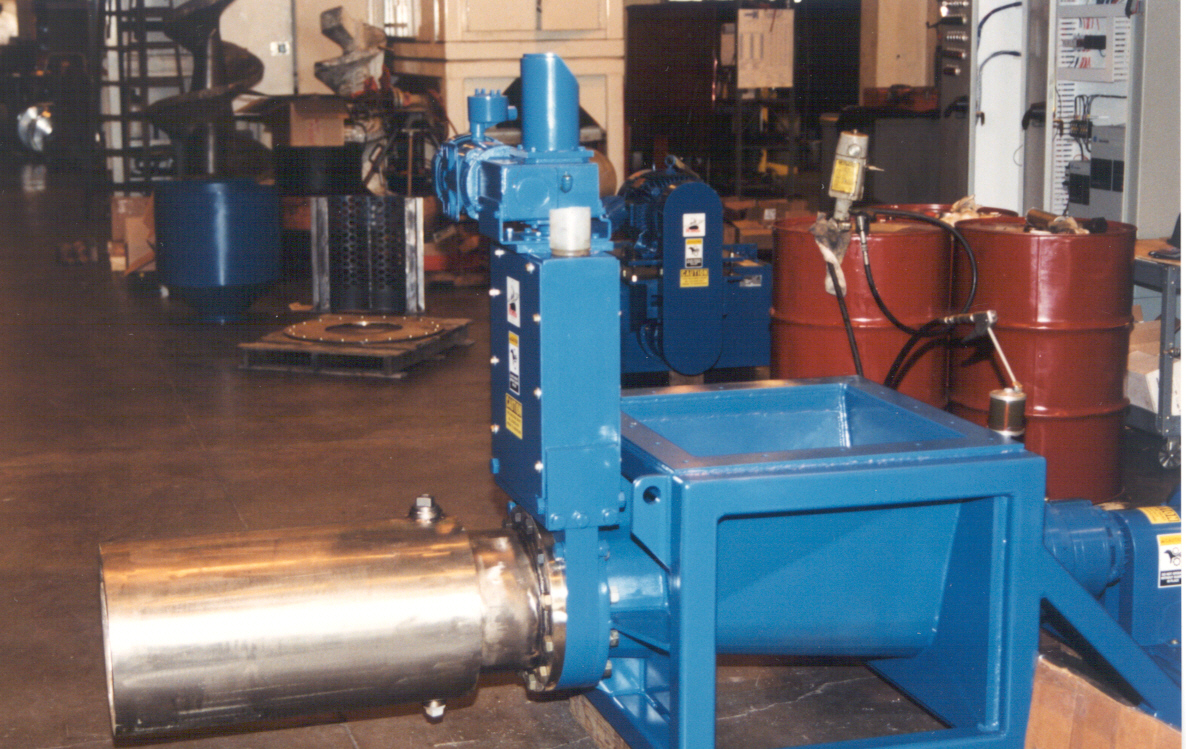
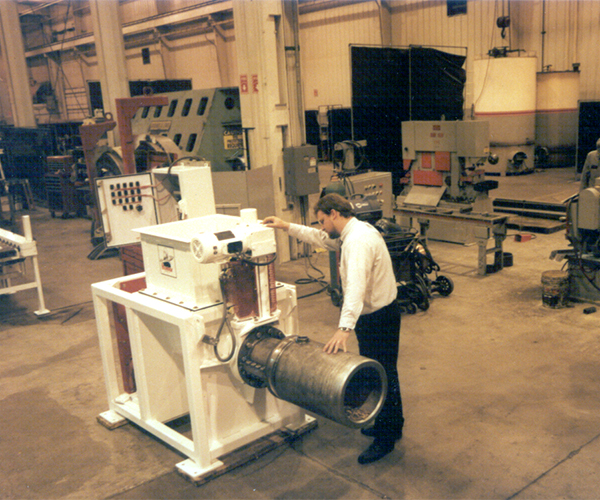
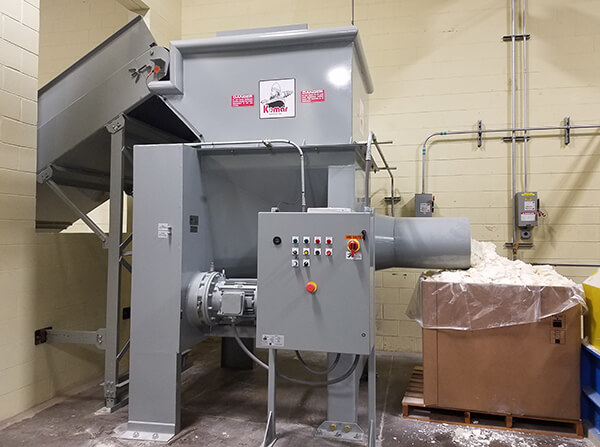
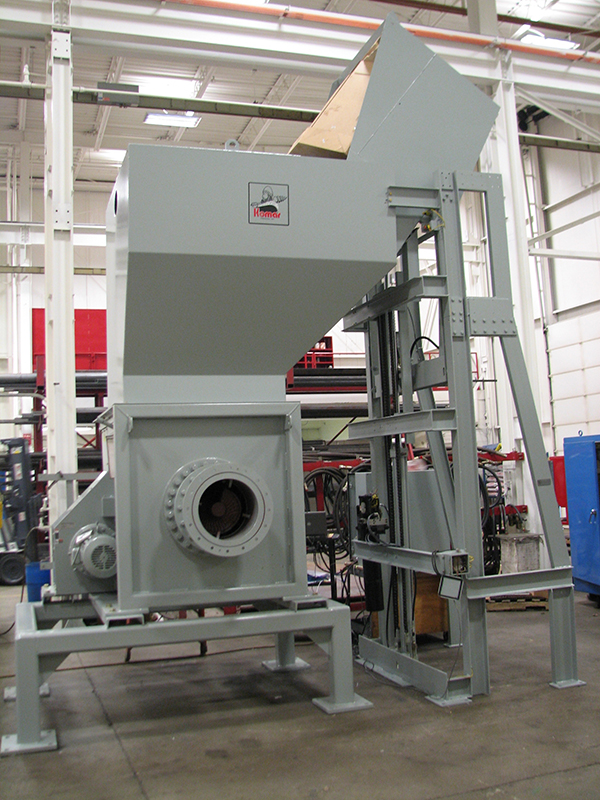
*Designs can vary based on material and application.
| Model | Motor Type | Tube Inner Diameter | Horsepower |
| EF-6-10 | Electromechanical | 6″ | 10 |
| EF-8-10 | Electromechanical | 8″ | 10 |
| EF-12-20 | Electromechanical | 12″ | 20 |
| EF-18-20 | Electromechanical | 18″ | 20 |
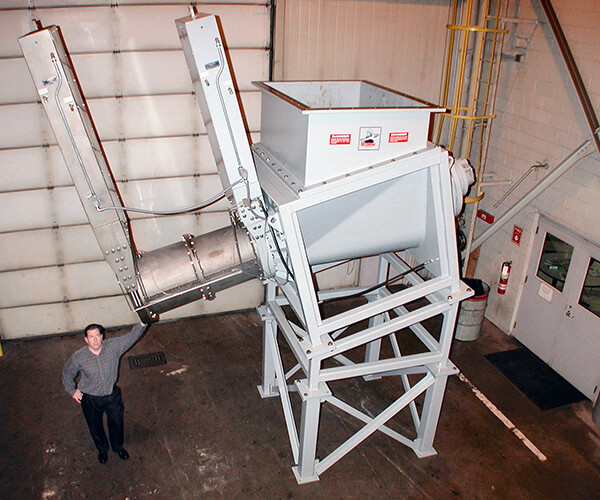
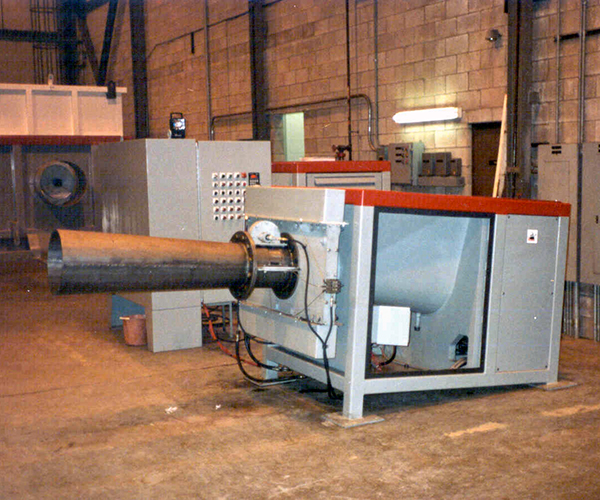
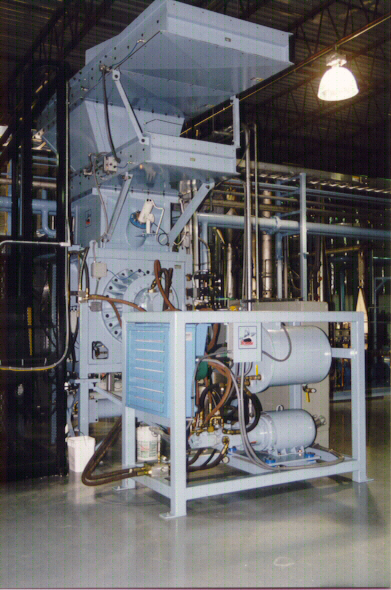
HYDRAULIC
- Drive Type:
- Hydraulic
- Application:
- Incineration and Gasification
- Volume:
- Medium (200-12000 lbs/hr)

- Turn Down Ratio:
- 10:1 (or 10% of full displacement)
- Feed Stock:
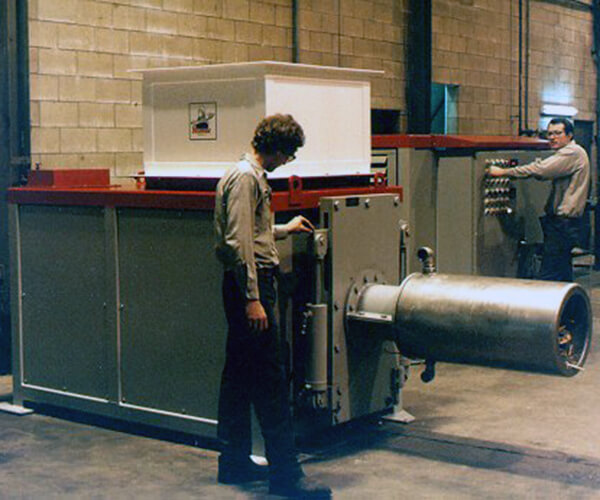
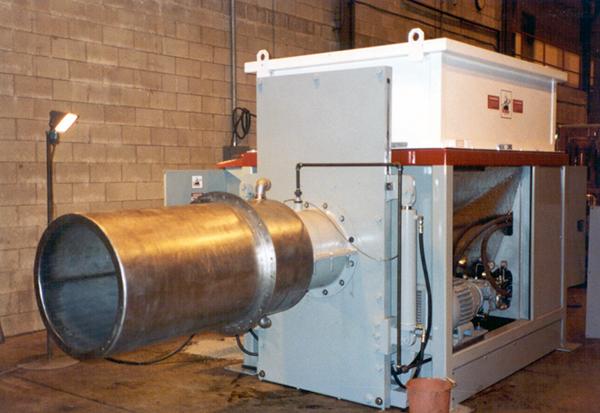
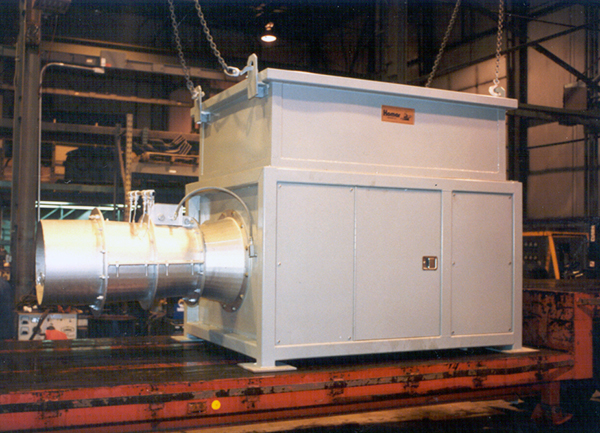
- Can handle a wider variety of material types and volumes than electromechanical feeders, while still maintaining the selected feed rate.
- Injector:
- Added when batch material input needs to be metered through a small diameter output, achieving a very high level of feed control.
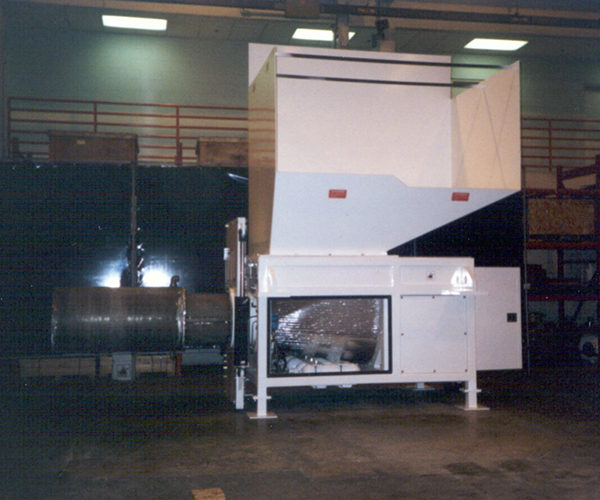
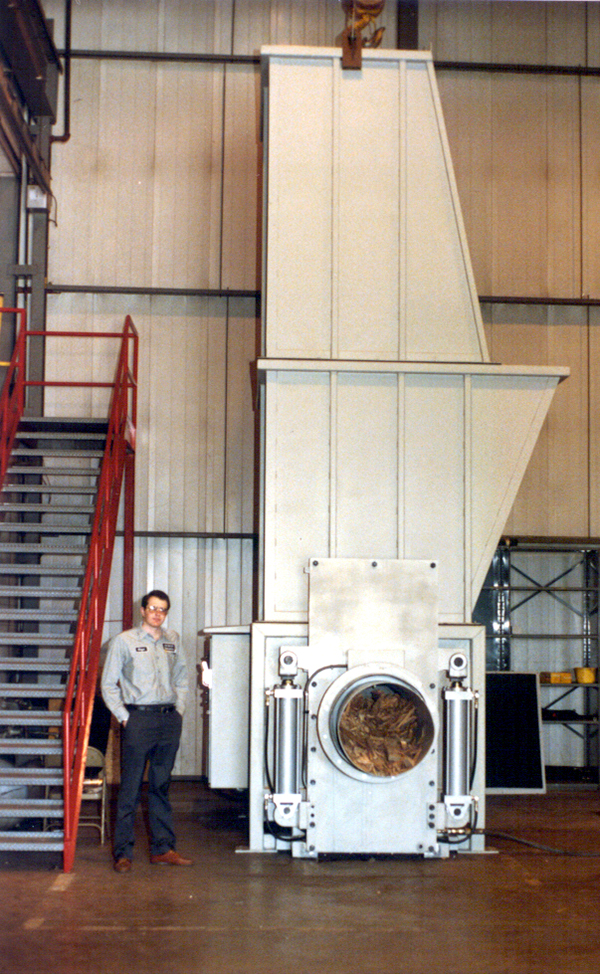
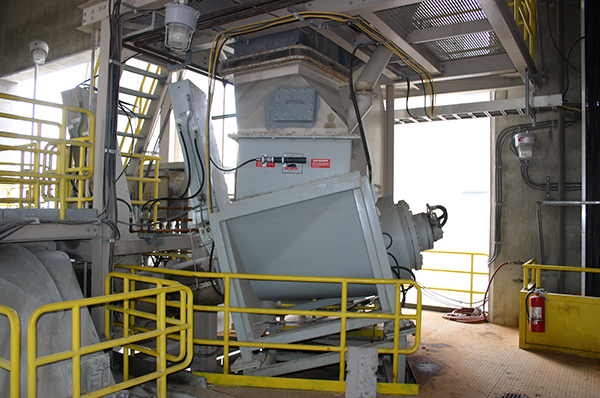
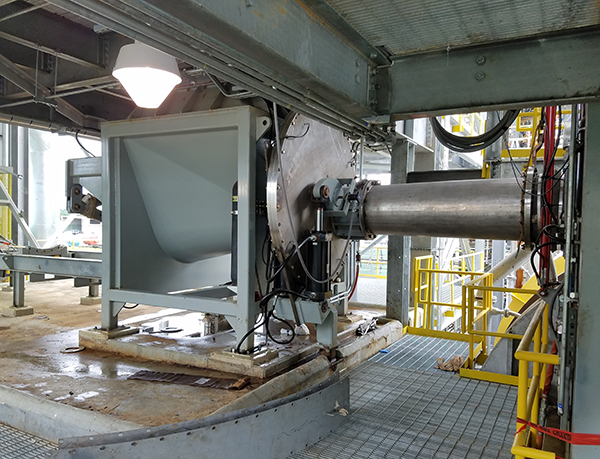
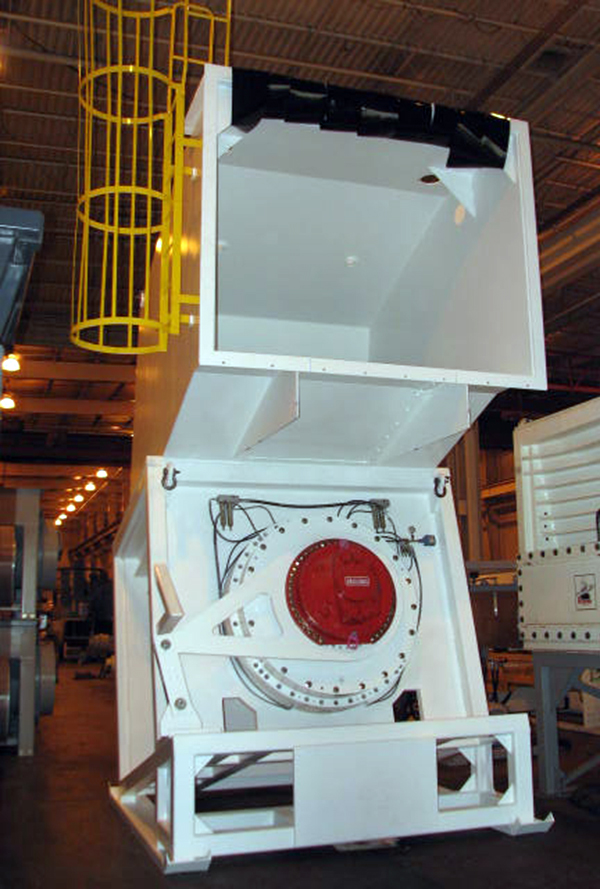
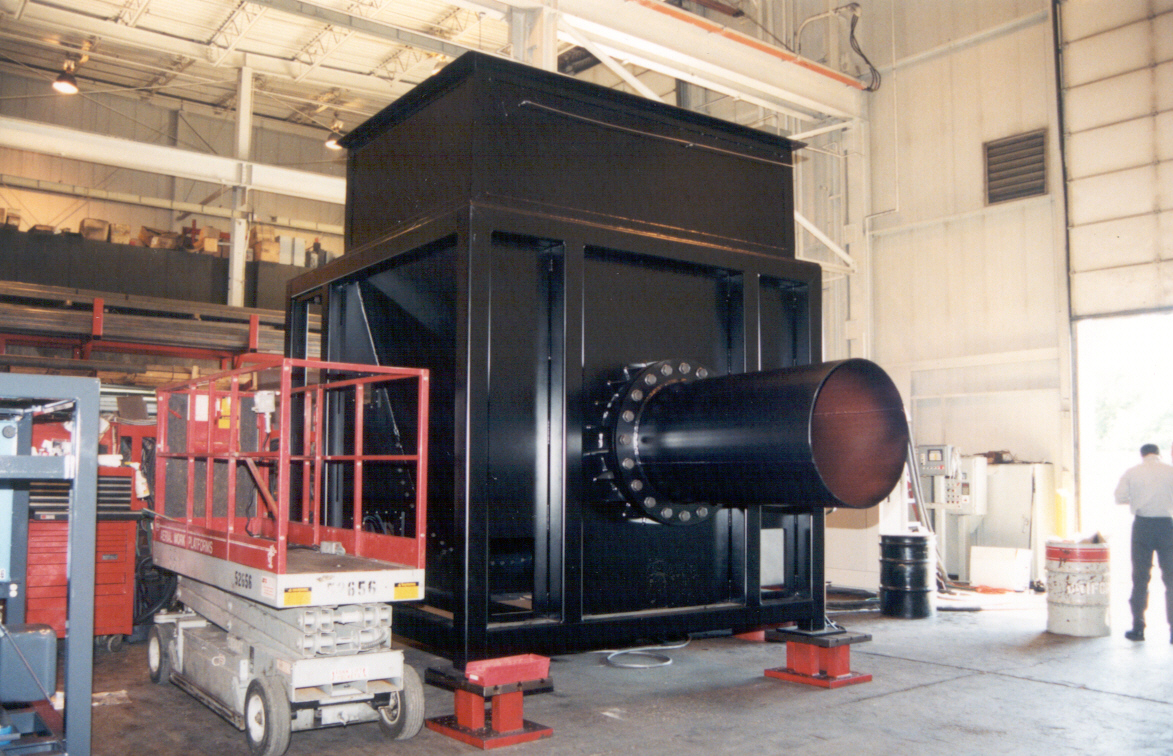
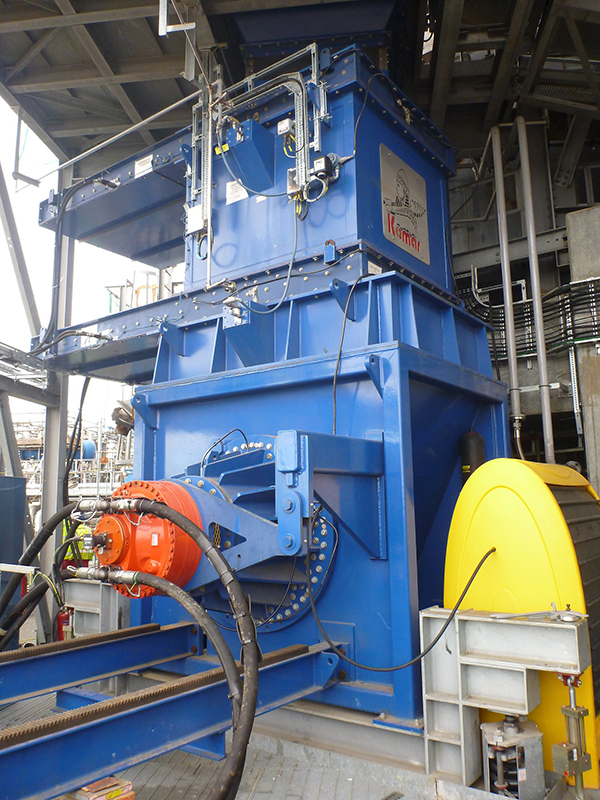
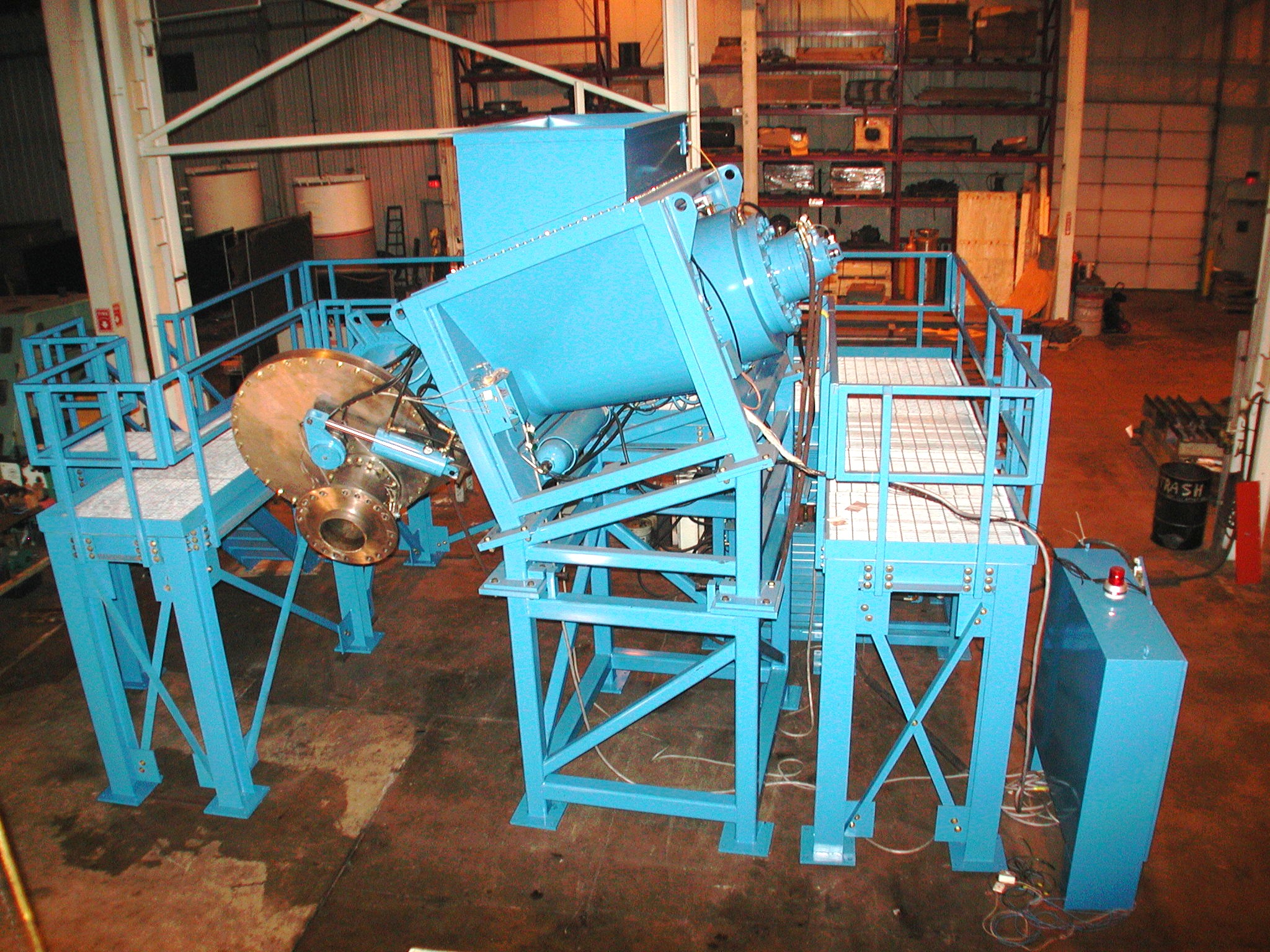
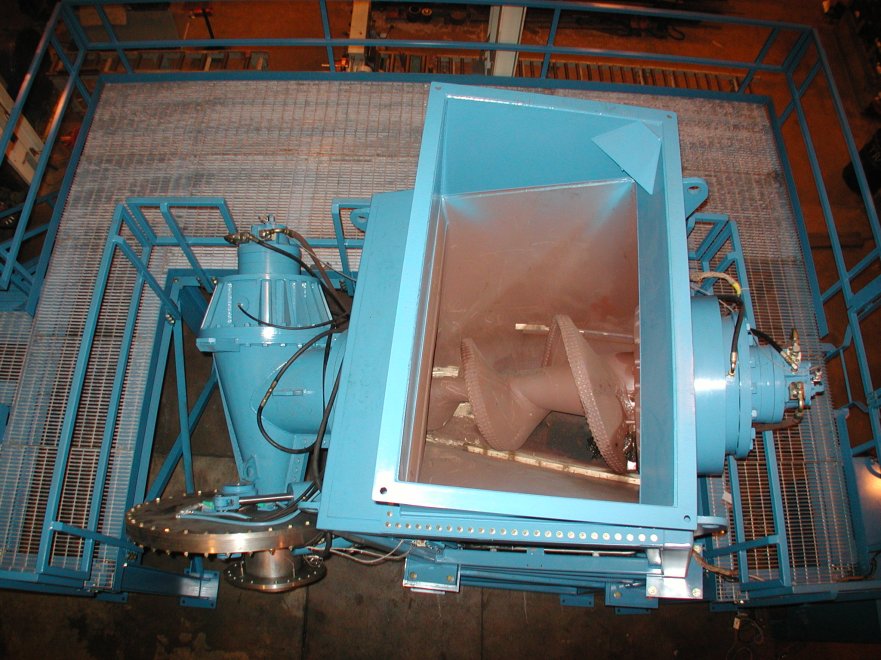
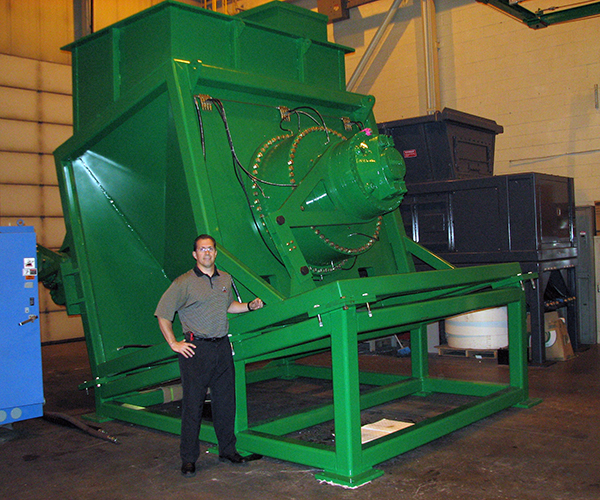
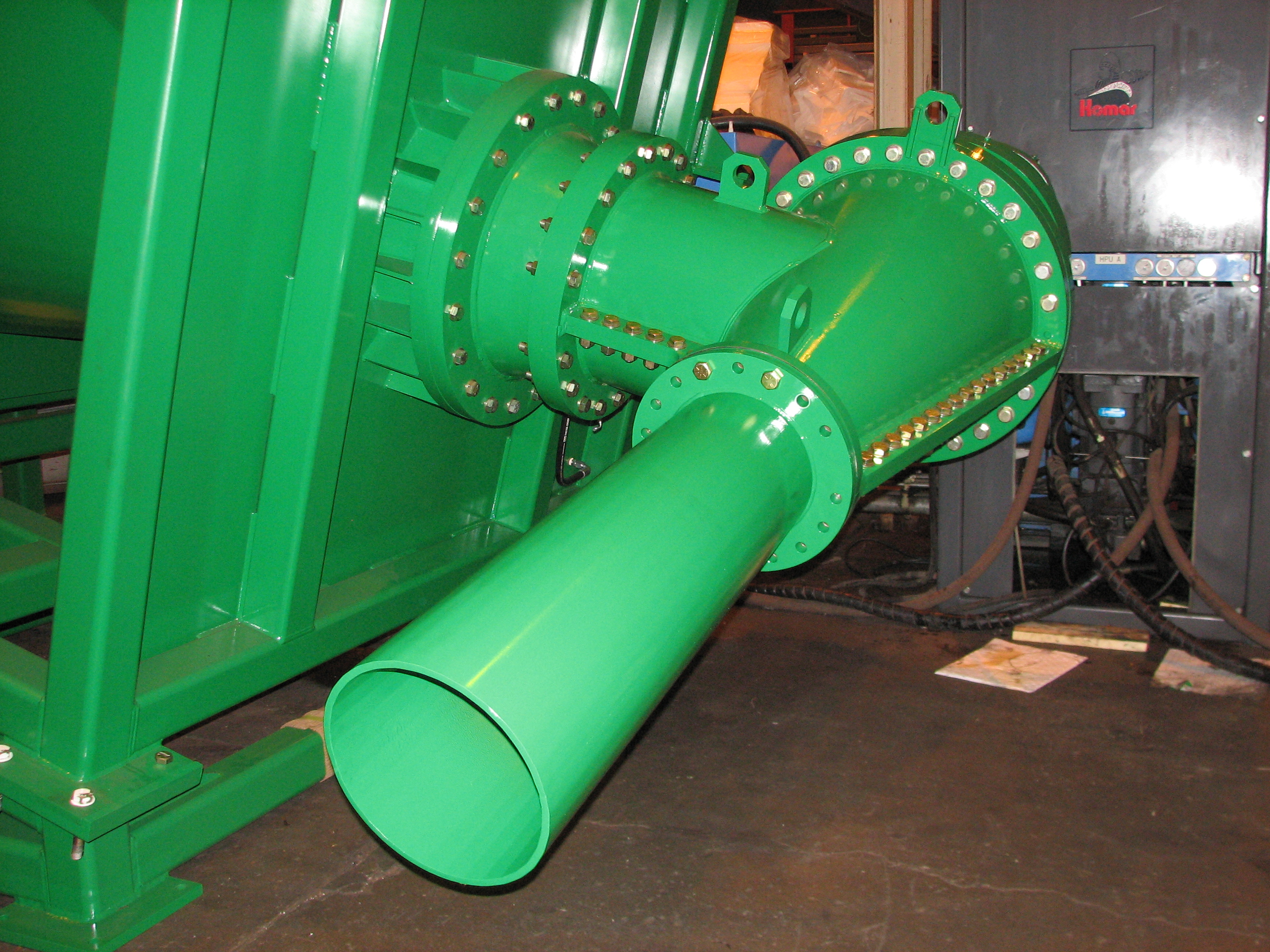
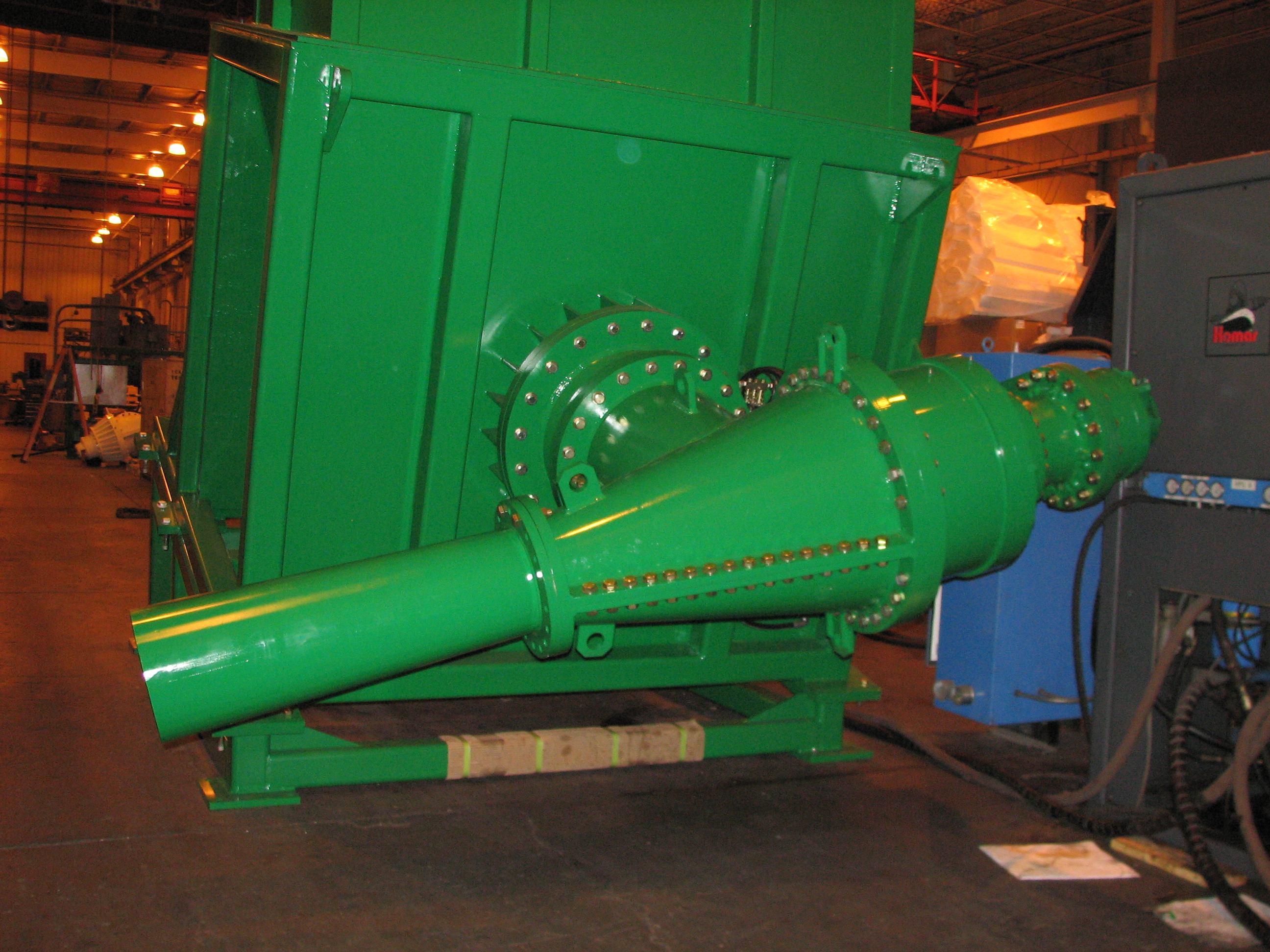
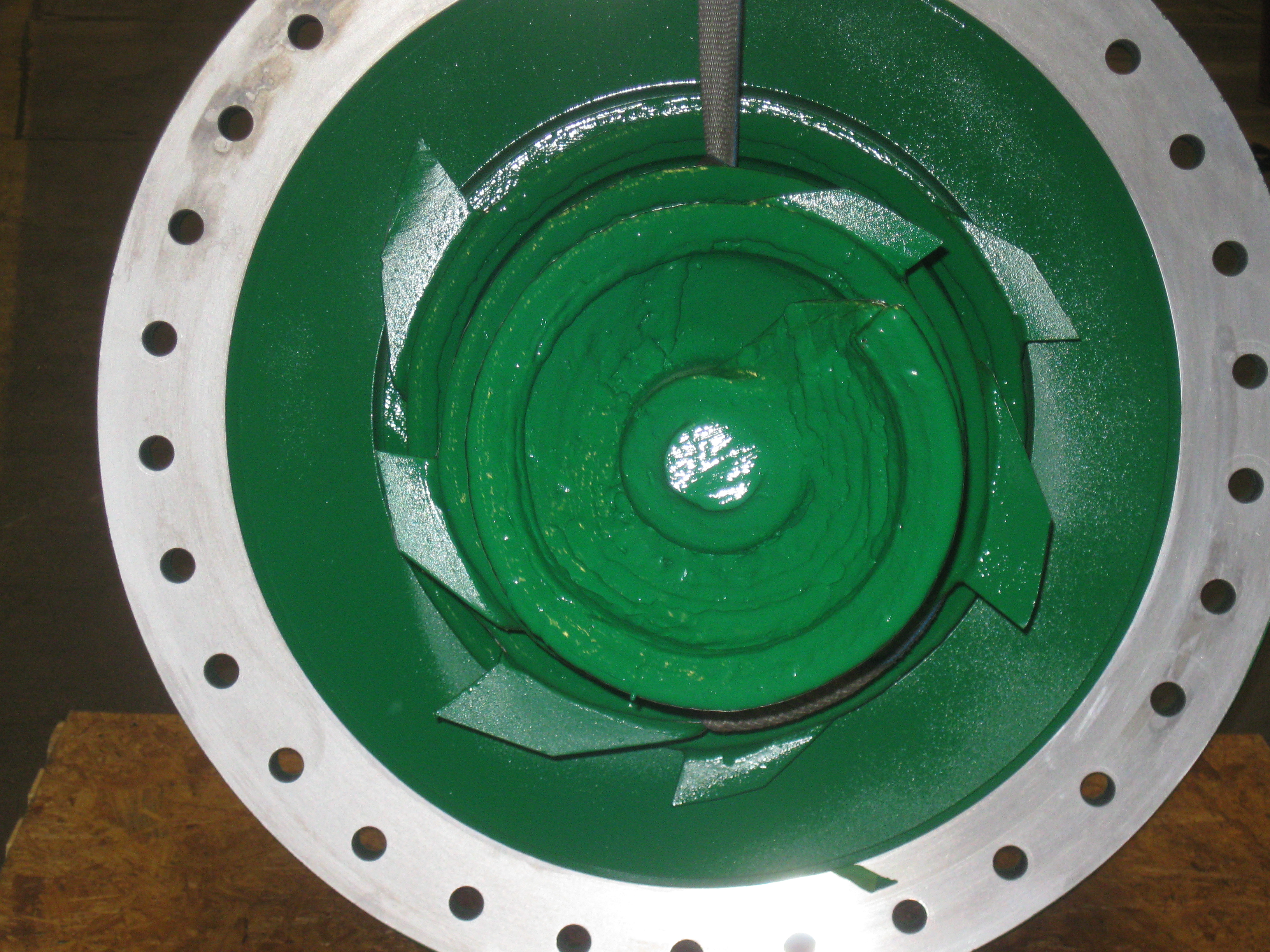
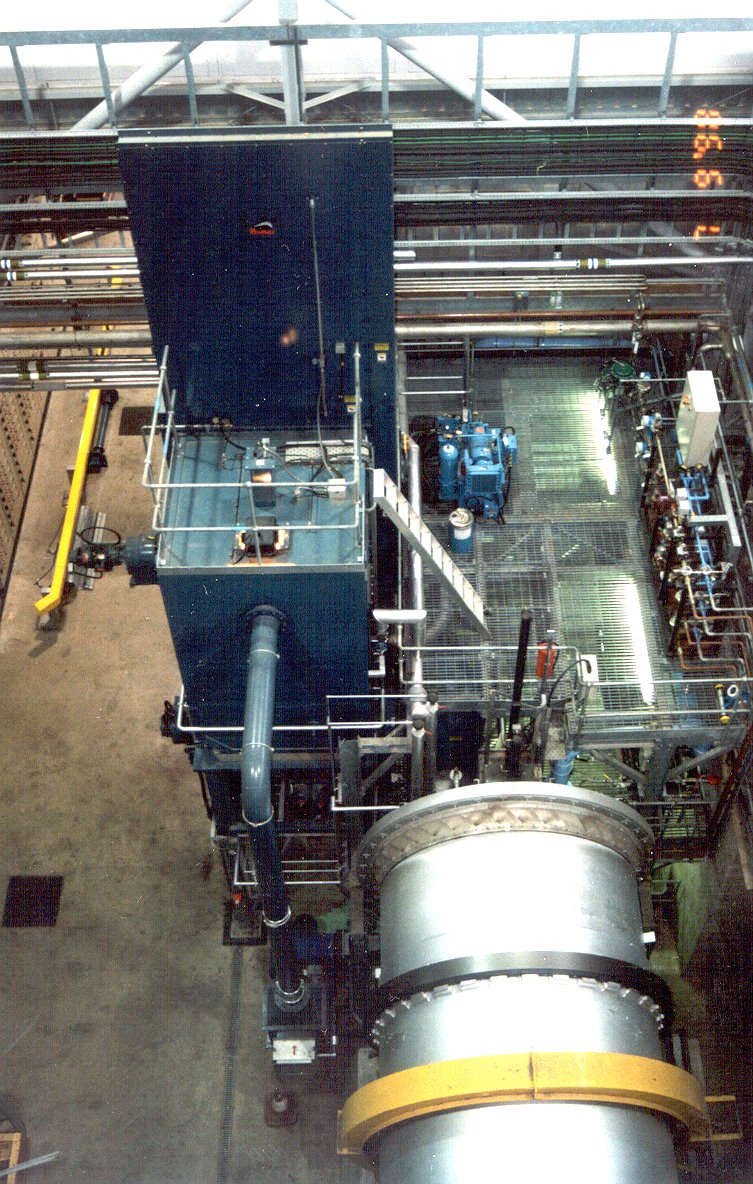
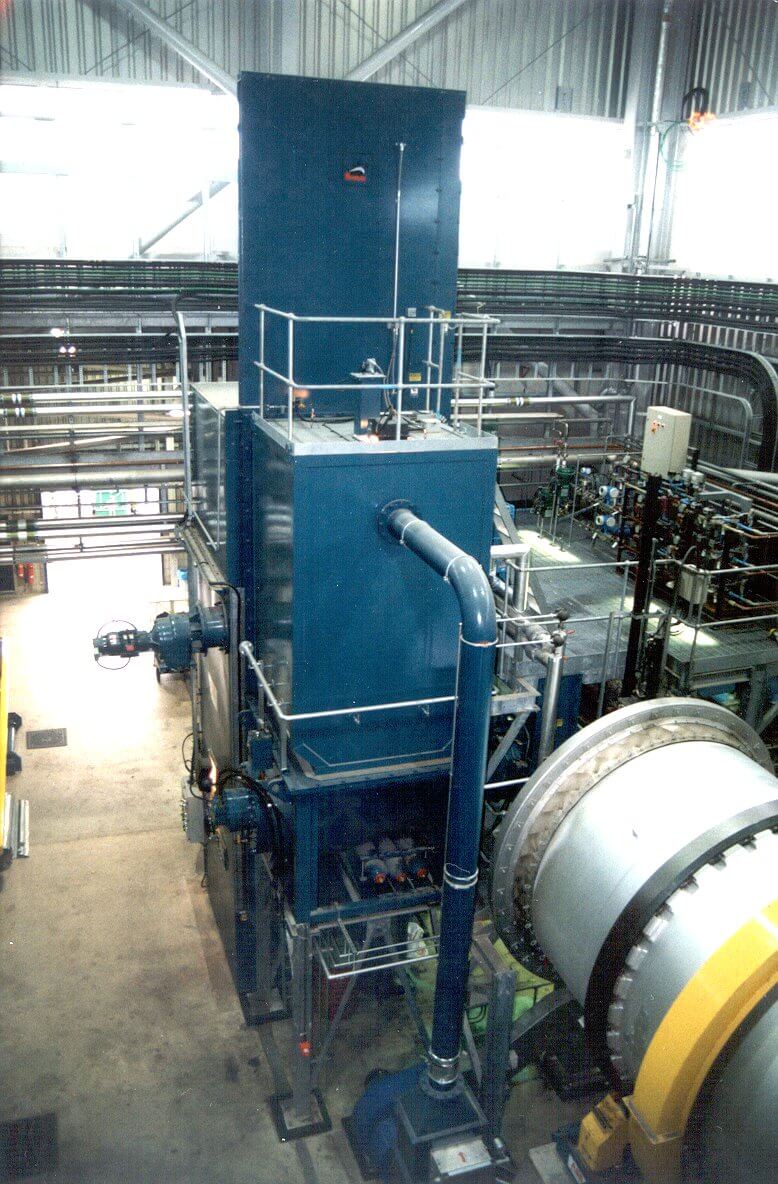
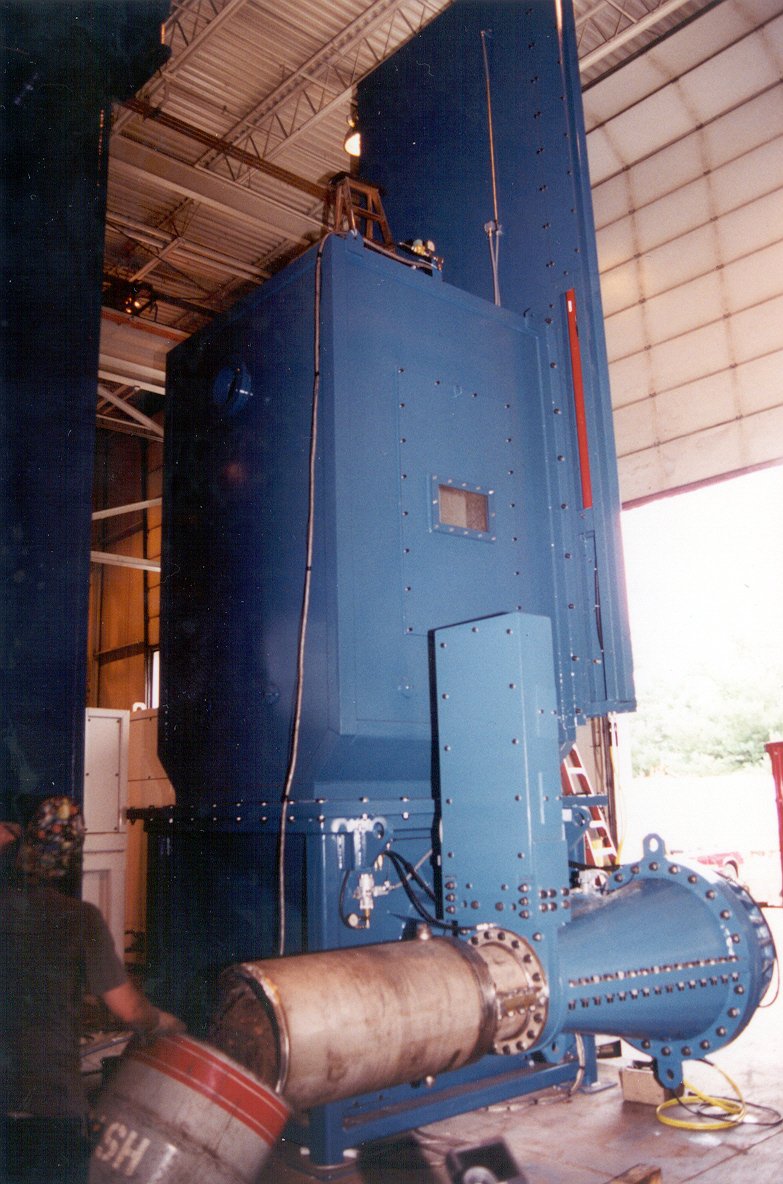
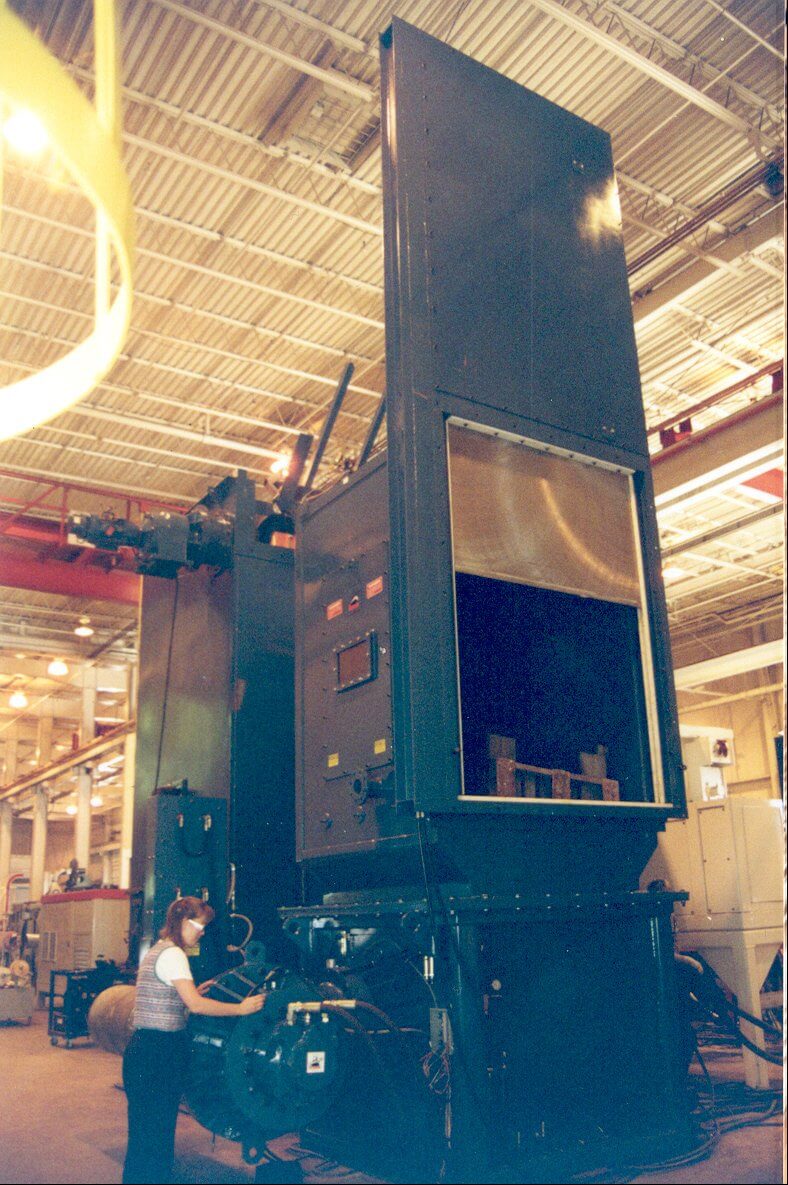
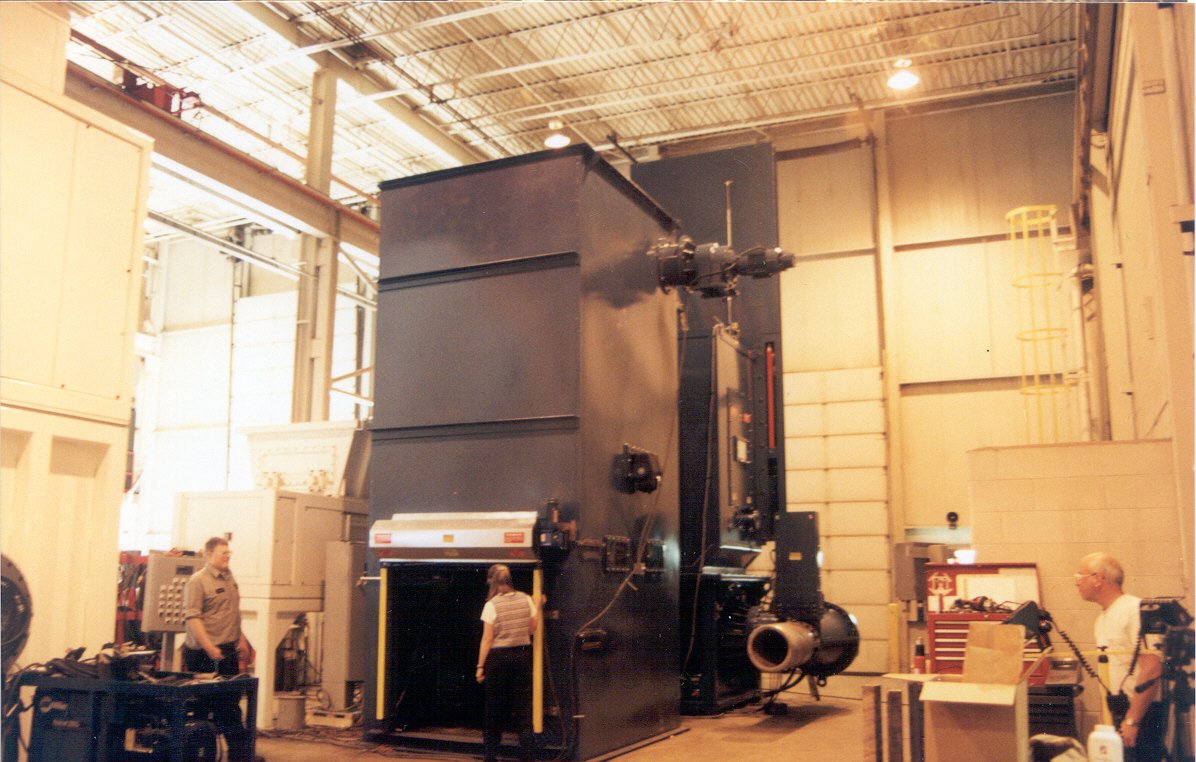
*Designs can vary based on material and application.
| Model | Motor Type | Tube Inner Diameter | Horsepower |
| HF-12-40 | Hydraulic | 12″ | 40 |
| HF-18-75 | Hydraulic | 18″ | 75 |
| HF-20-100 | Hydraulic | 20″ | 100 |
| HF-24-100 | Hydraulic | 24″ | 100 |
| HF-36-200 | Hydraulic | 36″ | 200 |
| HF-42-400 | Hydraulic | 42″ | 400 |
Auxiliary Equipment
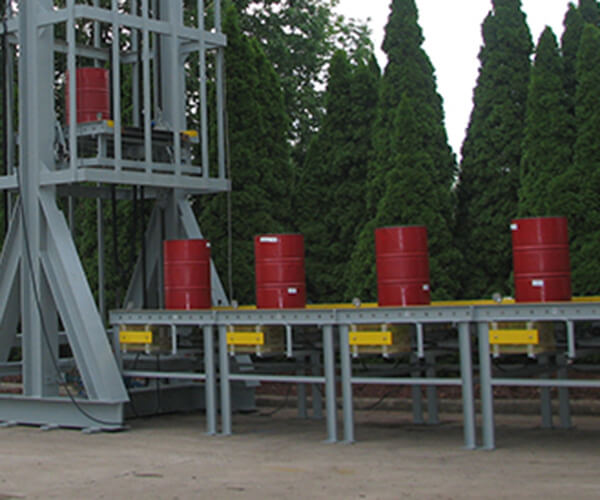
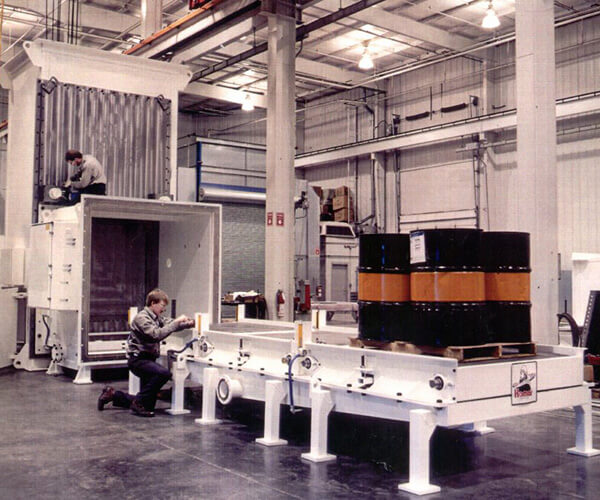
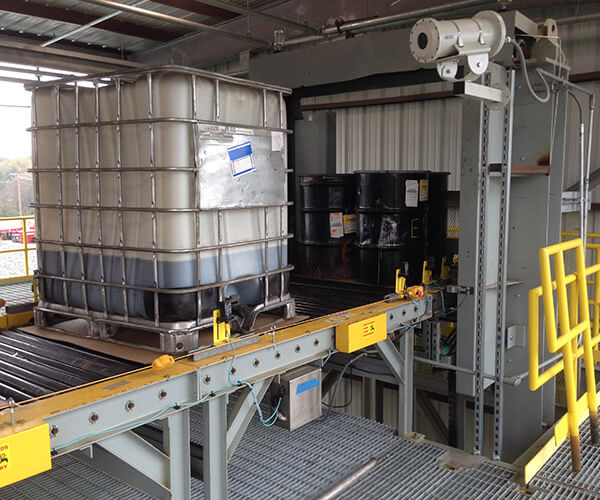
Staging Conveyors
For automated indexing and metering of containerized materials into the feed system.
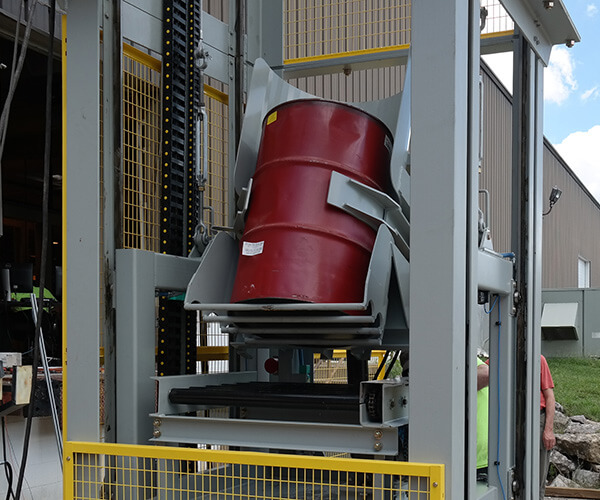
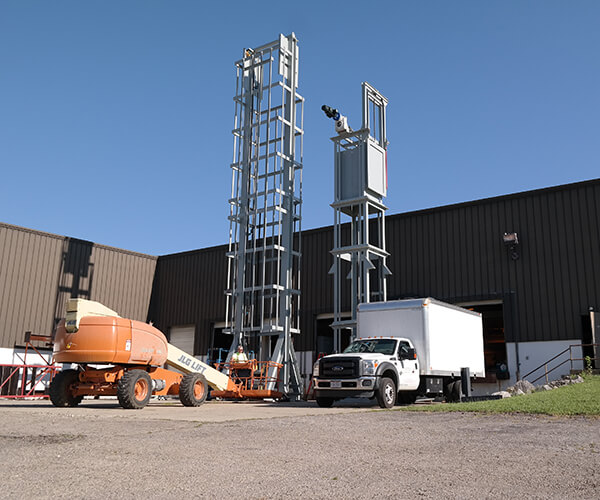
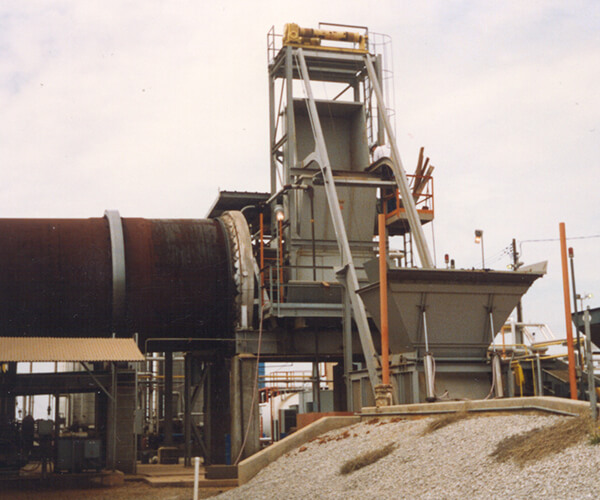
Material Lifts
For automated lifting of materials into the feed system.
Infeed Airlocks and Slide Gates
Sealed environments for nitrogen purging.
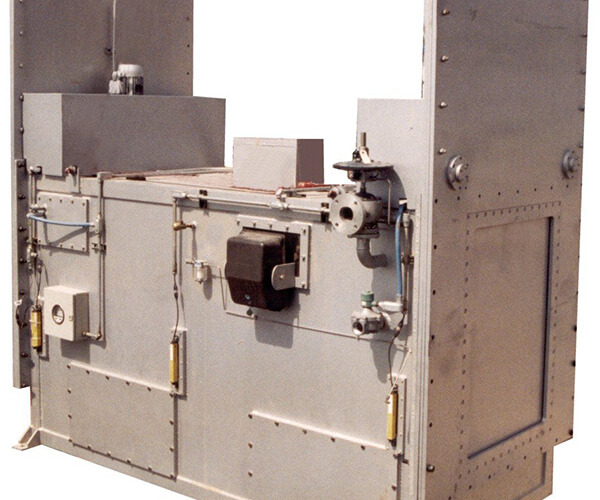
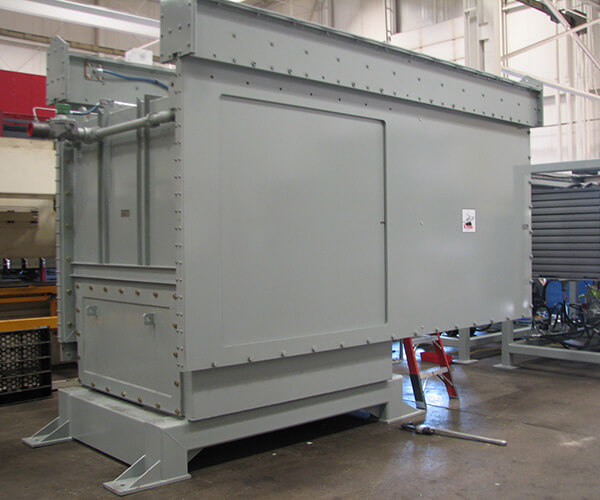
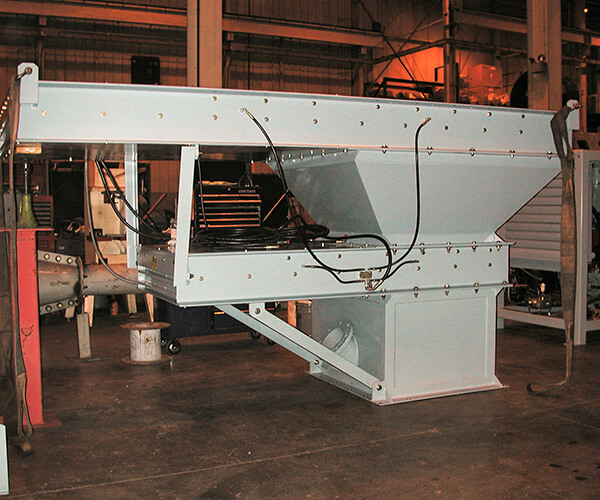
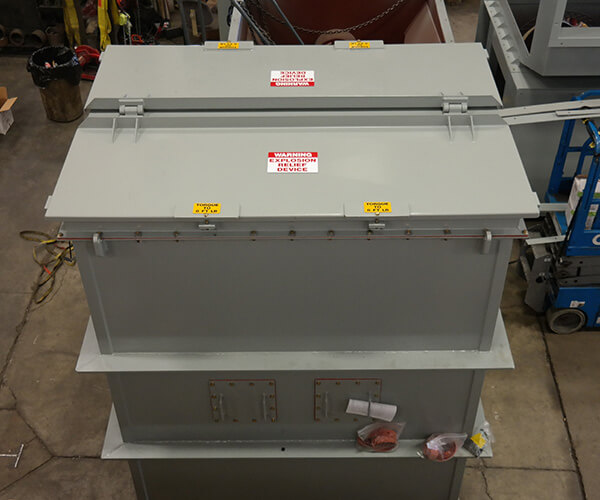
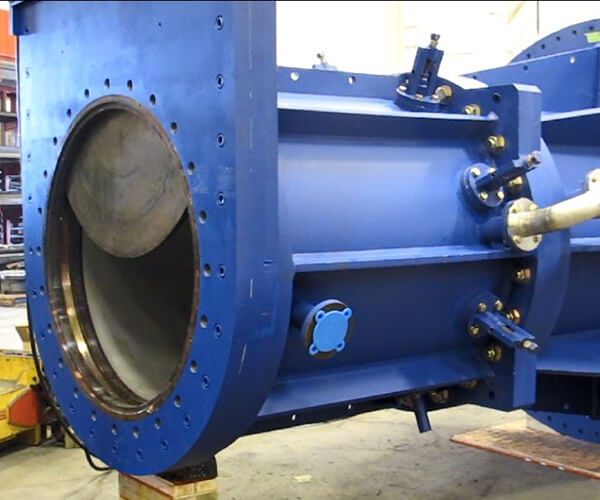
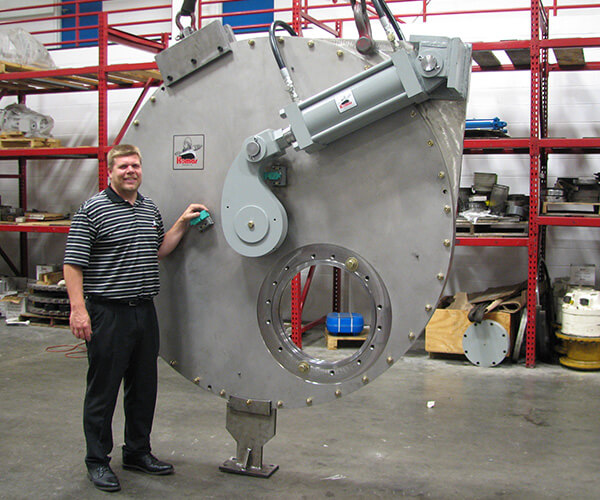
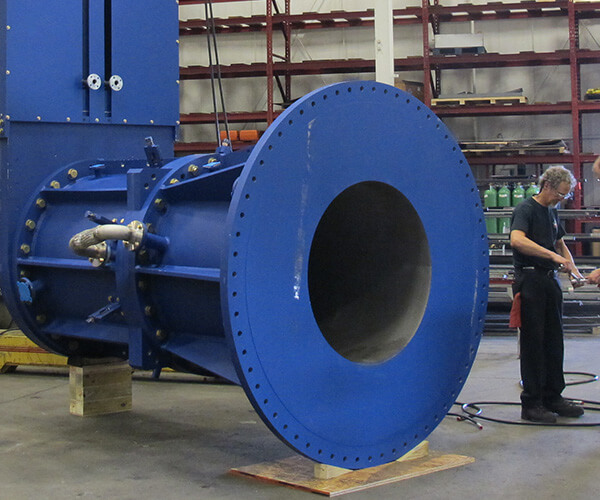
Explosion Venting, Isolation Gates, Water Cooled Tubing
Protects equipment in volatile and high heat environments.
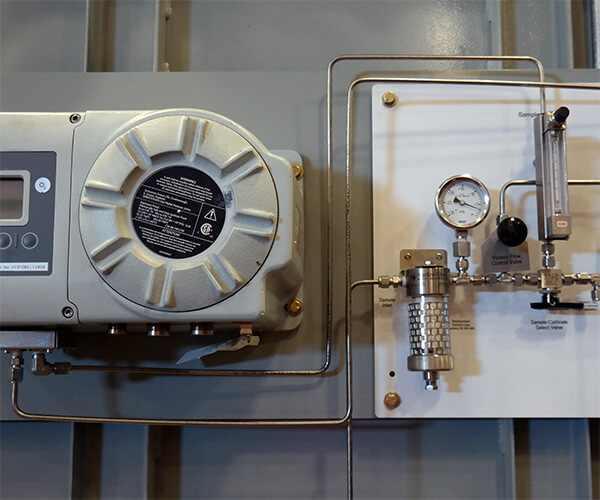
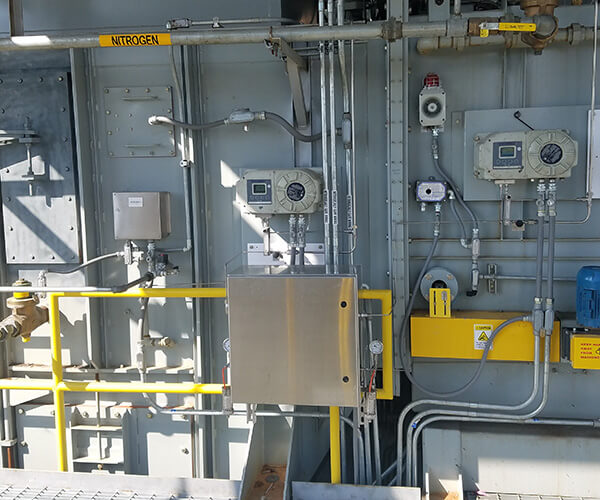
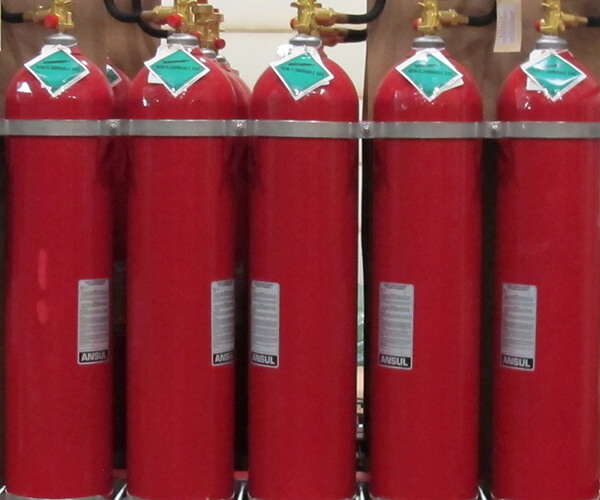
O2 Monitoring, Nitrogen Purging, CO2 Suppression
For controlling gases within the feed system.
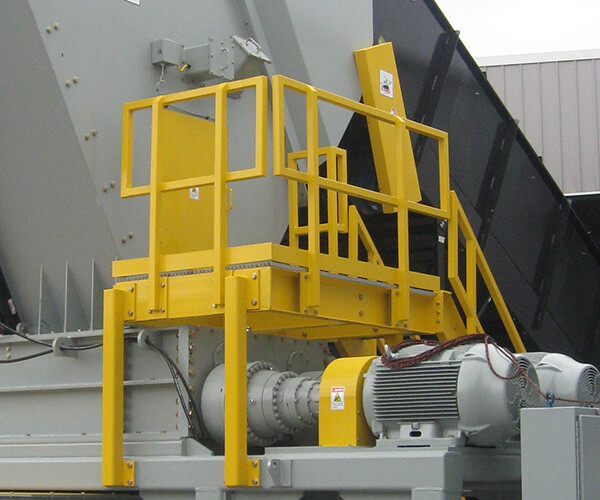
Service Platforms, Service Trolley
For ease of access during system maintenance.
Sizing Shredders
For primary reduction of materials prior to feeding.